Introduction
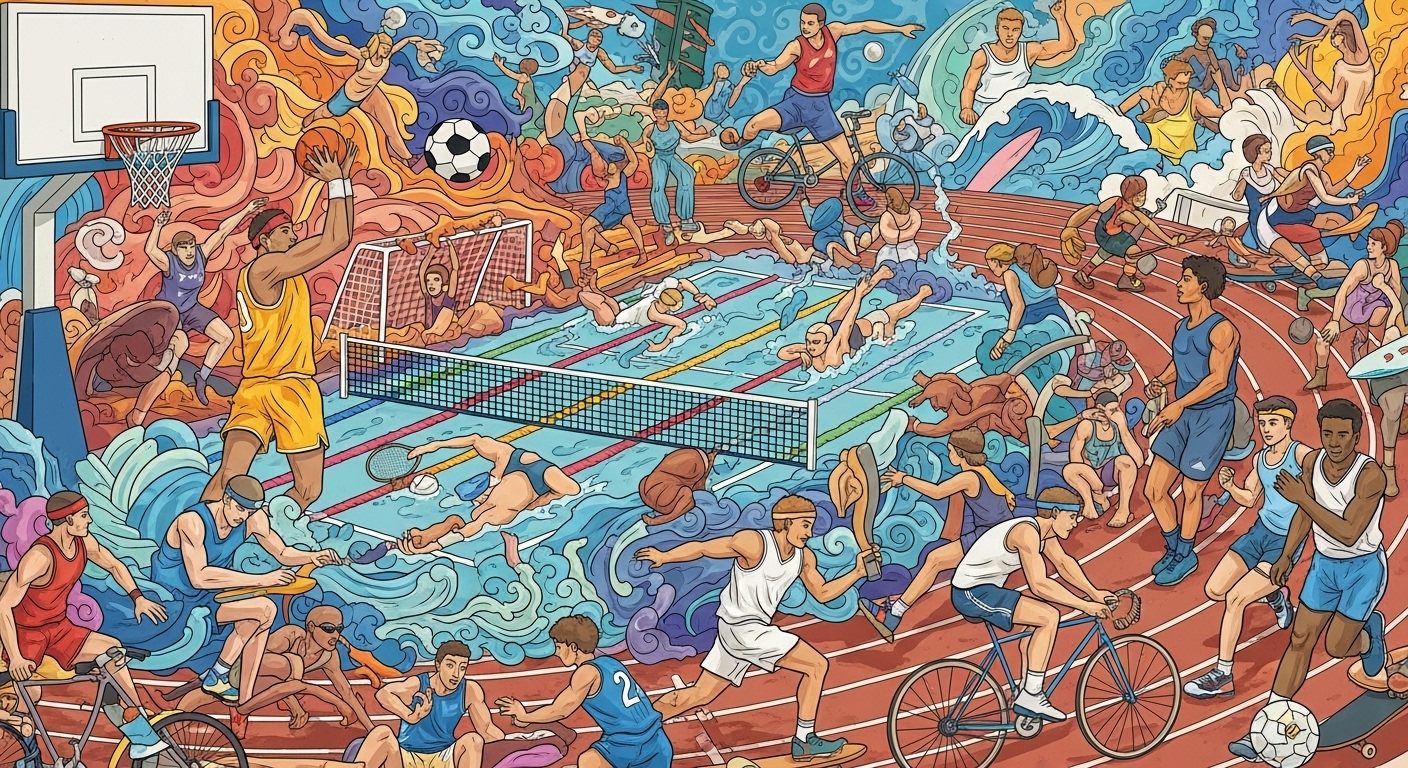
Sports have always been a reflection of human ambition, perseverance, and creativity. They are more than physical contests; they are cultural phenomena, economic drivers, and tools for social development. From ancient Olympic Games to modern-day global tournaments, sports unite people across nations, cultures, and backgrounds. Beyond competition, sports teach discipline, teamwork, resilience, and leadership. In this blog, we explore the multifaceted impact of sports on individuals, societies, and the world at large.
The History and Evolution of Sports
Sports date back thousands of years. Ancient civilizations organized competitions to prepare for war, celebrate religious events, or demonstrate physical prowess. The Greeks formalized sports through the Olympic Games, promoting ideals of excellence, honor, and fair play. In the modern era, sports evolved into structured competitions with codified rules, professional leagues, and global tournaments. Advancements in technology, media, and transportation have transformed sports into worldwide spectacles, allowing fans across the globe to participate in the excitement.
The Social Impact of Sports
Sports have a unique ability to bring people together. Local leagues, school teams, and neighborhood competitions foster community spirit and create shared experiences. On a larger scale, national and international events like the FIFA World Cup or the Olympics unite entire nations in collective enthusiasm. Sports provide a platform for social change, enabling athletes to raise awareness about equality, human rights, and social justice. They also break down barriers, promoting inclusion, diversity, and mutual respect.
Health Benefits of Sports
The physical advantages of sports are well documented. Regular participation improves cardiovascular health, increases strength and flexibility, and enhances coordination. Sports also help prevent obesity, reduce the risk of chronic illnesses, and strengthen the immune system. Mental health benefits are equally important; sports reduce stress, anxiety, and depression while boosting confidence, focus, and emotional resilience. For people of all ages, engagement in sports promotes overall wellness and a balanced lifestyle.
Teamwork and Leadership
Team sports are particularly effective in teaching collaboration and leadership skills. Players learn to communicate, coordinate, and strategize to achieve shared goals. Leadership emerges naturally through roles like captains or coaches, where decision-making, motivation, and problem-solving are essential. These experiences translate into real-world skills, preparing individuals to excel in careers, relationships, and community endeavors. Sports instill a sense of responsibility, accountability, and respect for others, shaping both character and performance.
Youth Sports and Development
Participation in sports during childhood and adolescence is critical for holistic development. Youth sports instill values such as discipline, perseverance, and respect. They provide opportunities to learn goal-setting, time management, and problem-solving. Engagement in sports also encourages socialization, building friendships and networks that extend beyond the playing field. Programs focused on youth development use sports to teach life skills, promote physical fitness, and empower children to reach their potential.
Women in Sports
Women’s participation in sports has grown tremendously over the past century. Once restricted by cultural norms and societal expectations, women now excel in virtually every sport, earning recognition and breaking barriers. Female athletes inspire younger generations, challenge gender stereotypes, and advocate for equality in pay, sponsorship, and opportunities. Women’s sports programs continue to expand globally, emphasizing inclusivity, empowerment, and access for all.
The Economic Impact of Sports
Sports are a major driver of the global economy. Professional leagues, international tournaments, and major events generate billions in revenue through ticket sales, merchandise, broadcasting rights, and sponsorships. Hosting sporting events boosts local economies by promoting tourism, infrastructure development, and job creation. The sports industry also supports careers beyond athletes, including coaching, administration, media, marketing, and healthcare. The economic significance of sports makes it an essential component of national and global development.
Technology and Sports
Technological advancements have revolutionized how sports are played, trained for, and consumed. Wearable devices track performance metrics, monitor health, and guide training regimens. Video replay and officiating technologies enhance fairness and accuracy in competitions. Data analytics allow teams to strategize, predict outcomes, and optimize performance. Additionally, broadcasting innovations like high-definition streaming, virtual reality, and augmented reality provide fans with immersive experiences, bringing them closer to the action than ever before.
Sports and Global Culture
Sports are a universal language that transcends boundaries. International events encourage cultural exchange and mutual understanding, while athletes become ambassadors of their nations. Iconic moments in sports history inspire people across the world, influencing fashion, music, and social behavior. Sports shape national identity, create shared narratives, and foster pride in achievements. Cultural rituals, fan traditions, and stadium experiences all contribute to the deep integration of sports into human life.
Mental Toughness and Sports Psychology
Success in sports depends on more than physical ability. Mental strength, focus, and emotional control are essential for peak performance. Sports psychology studies how mental conditioning, visualization, and motivation techniques enhance performance. Athletes learn to handle pressure, overcome setbacks, and maintain consistency. The mental resilience developed in sports often extends to other areas of life, equipping individuals to navigate challenges with confidence and determination.
Adaptive and Inclusive Sports
Sports have evolved to be more inclusive and accessible. Adaptive sports programs, Paralympic competitions, and recreational activities allow people with disabilities to participate fully. Inclusive sports promote equality, social integration, and empowerment. They also challenge societal perceptions about ability and encourage communities to celebrate diversity. By embracing adaptive sports, societies foster a culture of acceptance and broaden the impact of athletics for everyone.
Sports in Education
Schools and universities recognize the educational value of sports. Athletic programs teach discipline, teamwork, and goal-setting, complementing academic curricula. Scholarships and competitions motivate students to excel both on the field and in the classroom. Extracurricular sports activities enhance social skills, time management, and leadership abilities. Integrating sports into education ensures students develop both physically and mentally, preparing them for success in multiple facets of life.
The Role of Media in Sports
Media has transformed the way sports are consumed. Television, radio, and online streaming bring events to global audiences, allowing fans to follow teams and athletes in real time. Social media enables interaction, discussion, and community engagement around sports. Media coverage also amplifies athletes’ voices, raising awareness about social issues and inspiring future generations. The symbiotic relationship between sports and media has expanded the reach and cultural impact of athletic endeavors.
Esports and the Future of Competition
The rise of esports has redefined what it means to be an athlete. Competitive gaming attracts millions of fans, offers professional careers, and involves strategic thinking, reflexes, and teamwork. Esports demonstrates how technology can create new forms of competition and entertainment. As esports grows alongside traditional sports, it highlights the evolving nature of athleticism and broadens the definition of what sports can be in the digital era.
Environmental Sustainability in Sports
Sports organizations are increasingly addressing environmental concerns. Stadiums are adopting eco-friendly practices such as solar energy, water conservation, and waste reduction. Major events emphasize sustainability through responsible planning and resource management. Promoting environmental awareness in sports encourages fans, athletes, and communities to adopt sustainable habits, demonstrating that the impact of sports extends beyond the field.
The Future of Sports
The future of sports will be shaped by innovation, inclusivity, and technology. Wearables and AI will continue to enhance training and performance, while virtual reality and augmented reality will create immersive fan experiences. Inclusive programs will ensure participation for all, regardless of gender, age, or ability. Sustainability will become central to events and facilities. The fusion of tradition with innovation promises a future where sports remain a powerful force for health, culture, and global unity.
Conclusion
Sports are far more than competition—they are a reflection of human potential, resilience, and community. They promote physical health, mental strength, teamwork, leadership, and cultural exchange. Sports inspire, unite, and empower people, leaving a lasting impact on individuals and societies. As technology, inclusivity, and sustainability continue to shape the sporting world, sports will remain a vital part of human culture, demonstrating the enduring power of play to transform lives and connect the world.