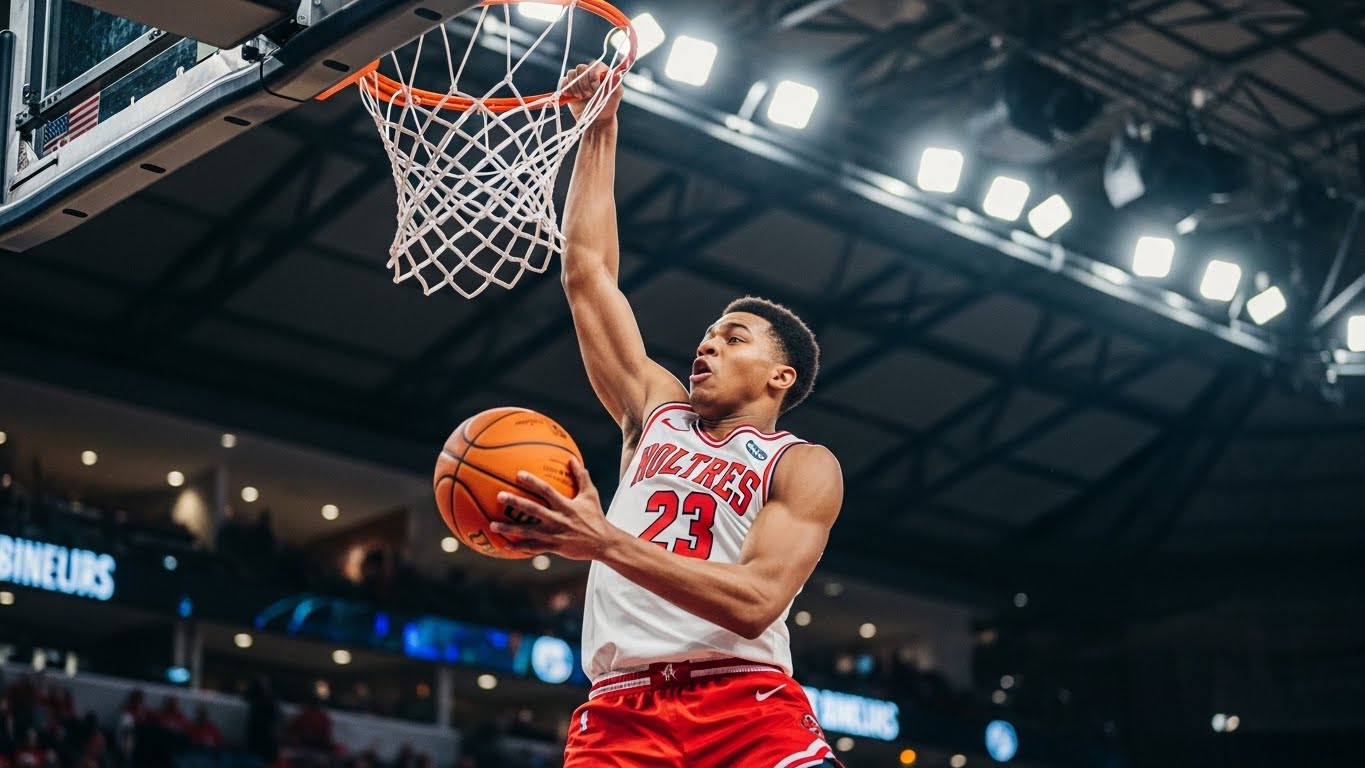

Sports have been an integral part of human civilization for centuries. From ancient games played in small communities to the high-tech arenas of modern professional leagues, sports continue to inspire, challenge, and unite people across the globe. Beyond physical activity, sports influence culture, social interaction, education, and personal development. In this blog, we will explore the history of sports, their cultural significance, the physical and mental benefits they provide, and their evolving role in modern society.
The History of Sports: From Ancient Traditions to Modern Competitions
The origins of sports date back to ancient civilizations. Early societies engaged in physical competitions as a means of entertainment, military training, and community bonding. In Ancient Greece, the Olympic Games celebrated athleticism and honored the gods, setting the foundation for organized sports. Traditional games and martial arts emerged in Asia, Africa, and the Americas, reflecting cultural values and societal norms.
Over time, sports evolved into structured competitions with standardized rules, teams, and international tournaments. The 19th and 20th centuries saw the establishment of global sporting organizations, professional leagues, and modern Olympics, making sports a universal language that transcends borders and cultures.
Physical Benefits of Sports
The most obvious advantage of sports is physical health. Regular participation in sports improves cardiovascular fitness, strengthens muscles, enhances flexibility, and promotes endurance. Sports help maintain a healthy body weight, reduce the risk of chronic illnesses, and support overall well-being.
Different sports provide unique physical benefits. Running and swimming improve cardiovascular health, strength training and gymnastics enhance muscle tone and coordination, and team sports like football or basketball improve agility and reflexes. Beyond the body, sports encourage the development of healthy habits, discipline, and a lifestyle focused on well-being.
Mental Health and Cognitive Benefits
Sports are not only beneficial for the body but also for the mind. Physical activity stimulates the release of endorphins, reducing stress and improving mood. Regular engagement in sports has been linked to lower rates of anxiety and depression, better sleep, and increased self-confidence.
Cognitive benefits are also significant. Sports improve focus, strategic thinking, and problem-solving skills. Team sports enhance communication, leadership, and collaboration abilities. Individual sports foster concentration, goal-setting, and self-motivation. By engaging both body and mind, sports provide a holistic approach to personal development.
Team Sports and Social Interaction
Team sports are powerful tools for social development. Playing on a team teaches individuals how to collaborate, communicate, and work towards a shared objective. Athletes learn how to manage conflicts, respect differences, and motivate peers, skills that extend beyond the field into everyday life.
Sports also foster a sense of community. Fans, players, and local teams create social bonds, shared experiences, and cultural identity. Community leagues, school competitions, and recreational clubs provide opportunities for individuals of all ages to engage socially while pursuing physical activity. Team sports strengthen relationships, build trust, and teach the value of teamwork.
The Role of Sports in Education
Sports play an essential role in education. Schools and universities incorporate physical education programs to promote health, discipline, and personal growth. Student-athletes learn time management, resilience, and leadership skills while balancing academics and training.
Competitive sports in educational institutions encourage goal-setting, perseverance, and a drive for excellence. Sports scholarships provide opportunities for talented individuals to pursue higher education while continuing to develop athletic skills. Through education, sports become a pathway for personal development, career opportunities, and lifelong learning.
Cultural Significance of Sports
Sports are a reflection of culture and identity. National pride is often associated with international sporting events like the Olympics, FIFA World Cup, and cricket championships. Victories and achievements in sports can inspire entire nations, creating shared memories and cultural touchstones.
Local traditions and indigenous games also carry cultural significance, preserving heritage and values through physical activity. Sports serve as a universal language, connecting people from different backgrounds, fostering mutual respect, and celebrating diversity. The cultural influence of sports extends beyond competition to music, fashion, media, and social norms.
Professional Sports and Entertainment
Professional sports have become a global industry, combining competition, entertainment, and business. Leagues, tournaments, and championships attract millions of spectators, sponsors, and media attention. Professional athletes serve as role models, inspiring youth and promoting a healthy lifestyle.
The business side of professional sports includes broadcasting, merchandising, sponsorships, and event management. Technology has enhanced the viewing experience through instant replays, analytics, and interactive media. Sports as entertainment not only provides enjoyment but also creates economic opportunities and global connectivity.
Sports and Technology
Technology has transformed how sports are played, coached, and consumed. Performance tracking devices, wearable technology, and advanced analytics help athletes optimize training, prevent injuries, and improve performance. Video review systems, goal-line technology, and instant replay enhance fairness and accuracy in competitions.
Virtual reality and augmented reality are changing the way fans experience sports. Immersive viewing, interactive training simulations, and digital engagement platforms provide new ways to connect with sports. Technology ensures that sports continue to evolve, improving both participation and spectatorship.
Sports and Health Awareness
Sports are powerful platforms for promoting health awareness and social causes. Athletes and organizations use their visibility to encourage fitness, nutrition, mental health, and public health campaigns. Major events often integrate educational programs, raising awareness about issues such as disease prevention, environmental sustainability, and social responsibility.
Participation in sports also teaches individuals about physical limits, injury prevention, and recovery. Education about sports science, nutrition, and wellness empowers athletes and fans to maintain healthy lifestyles. Sports, therefore, play a dual role: providing entertainment and promoting holistic well-being.
Women in Sports
The participation of women in sports has grown dramatically over the last century. Female athletes have broken barriers, challenged stereotypes, and achieved global recognition. Women’s leagues, international competitions, and gender-inclusive initiatives have increased visibility and opportunities for female athletes.
Sports empower women by promoting confidence, leadership, and equality. Female representation in sports also inspires younger generations, encourages inclusivity, and challenges cultural biases. Gender equality in sports remains a critical focus for creating a fair and diverse sporting environment.
The Psychological Impact of Competition
Competition is a core element of sports. Healthy competition motivates individuals to improve, set goals, and overcome challenges. The experience of winning instills confidence, while losing teaches resilience, humility, and adaptability.
Sports provide a safe and structured environment to experience pressure, stress, and emotional highs and lows. Athletes develop coping strategies, mental toughness, and focus, which are transferable to personal and professional life. The psychological impact of sports goes beyond the field, influencing personality, behavior, and character development.
Sports and Youth Development
Sports are essential for youth development, offering physical, mental, and social benefits. Participation in sports teaches discipline, responsibility, and teamwork. Young athletes learn to set goals, manage time, and overcome obstacles.
Youth programs and community leagues provide safe environments for children to engage in physical activity, develop social skills, and cultivate a sense of achievement. Early exposure to sports promotes lifelong fitness habits, resilience, and confidence. Sports help shape the next generation into well-rounded, active, and socially responsible individuals.
Global Events and Sports Diplomacy
International sporting events serve as platforms for cultural exchange, diplomacy, and global unity. Competitions like the Olympics, FIFA World Cup, and international marathons bring countries together, fostering mutual respect and understanding.
Sports diplomacy helps bridge political, cultural, and social divides. Athletes become ambassadors, representing values of fairness, teamwork, and perseverance. Global events promote international cooperation, showcase talent, and create shared experiences that transcend borders.
The Future of Sports
The future of sports is promising and dynamic. Emerging technologies, innovative training methods, and data analytics will continue to enhance performance and fan engagement. Virtual and augmented reality will redefine spectatorship, offering immersive experiences that bring fans closer to the action.
Sports are also likely to become more inclusive, accessible, and global. Initiatives promoting gender equality, youth participation, and adaptive sports for individuals with disabilities will ensure that the benefits of sports reach everyone. The future of sports is not just about competition—it is about community, health, innovation, and cultural impact.
Conclusion: Why Sports Matter
Sports are more than just games—they are a vital part of human life and culture. They promote physical fitness, mental well-being, teamwork, and personal growth. Sports inspire individuals, unite communities, and bridge cultural divides. Professional leagues, youth programs, and international competitions provide entertainment, education, and opportunities for social engagement.
From ancient traditions to modern professional arenas, sports have continuously evolved, reflecting human ambition, creativity, and resilience. By fostering health, discipline, and cultural identity, sports shape lives in profound ways. They are not merely about winning or losing—they are about growth, connection, and the spirit of victory that drives humanity forward.