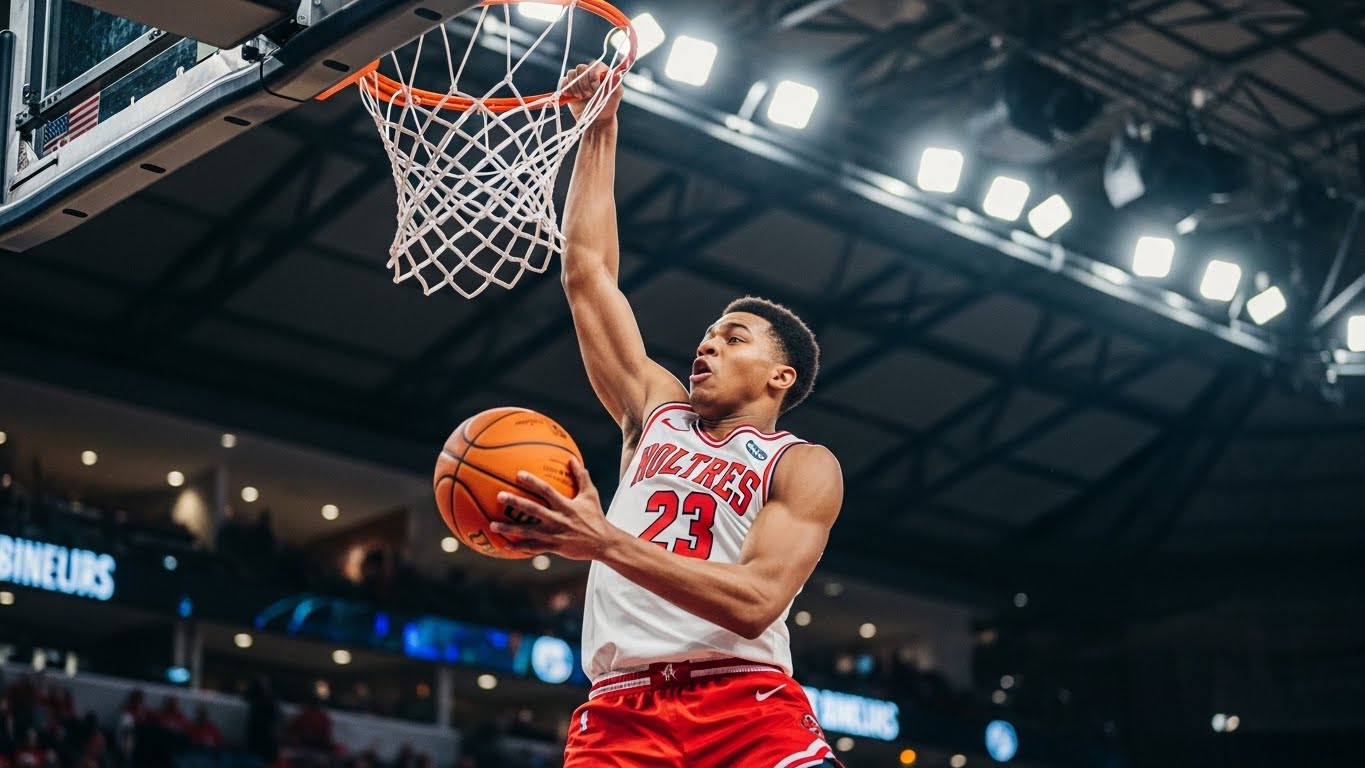
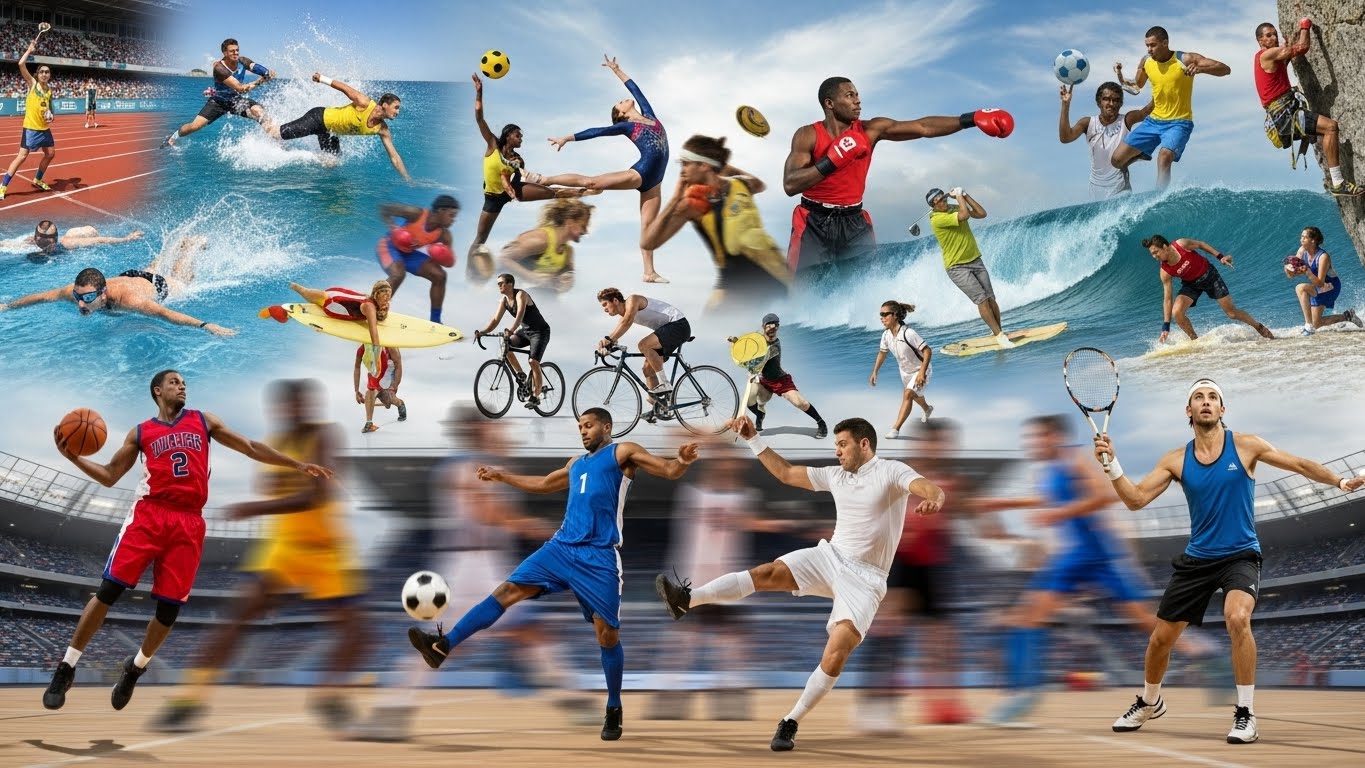
Sports are far more than games; they are a reflection of human spirit, resilience, and creativity. From local playgrounds to global arenas, sports influence our lives physically, mentally, and socially. They teach lessons that go beyond winning and losing, shaping character, community, and culture. This blog explores the multifaceted impact of sports and why they remain an integral part of human life.
The Physical Benefits of Sports
Participating in sports is one of the most effective ways to maintain physical health. Engaging in activities like running, swimming, football, or basketball strengthens the cardiovascular system, builds muscle, and improves endurance. Sports also enhance flexibility, coordination, and agility. Regular exercise through sports reduces the risk of chronic diseases such as diabetes, hypertension, and obesity. Children and teenagers benefit significantly from sports, as it promotes healthy growth, bone density, and motor skills. Adults who continue to play sports maintain better fitness levels, energy, and overall well-being.
Sports also encourage healthy habits. Athletes often adopt balanced diets, prioritize rest, and maintain routines that optimize performance. Beyond the obvious physical benefits, the act of moving and competing creates a foundation for a healthier lifestyle that extends into adulthood.
Mental Health and Resilience
While sports benefit the body, they are equally crucial for mental health. The mental challenges of sports build resilience, focus, and discipline. Athletes learn to handle setbacks, whether losing a game, making a mistake, or suffering an injury. Overcoming these challenges fosters mental toughness, which applies to other areas of life.
Physical activity releases endorphins, natural chemicals that reduce stress and improve mood. Playing sports helps manage anxiety, depression, and stress-related problems. Sports also enhance cognitive abilities, such as problem-solving, strategic thinking, and quick decision-making. These mental skills are particularly developed in competitive sports, where players must react swiftly and think critically under pressure.
Character Development Through Sports
Sports are a powerful teacher of life skills and values. Competition instills discipline, patience, and perseverance. Winning gracefully and accepting defeat with dignity are lessons that shape character. Team sports teach cooperation, communication, and leadership. Players learn to trust their teammates, coordinate strategies, and work toward a common goal.
Individual sports, on the other hand, emphasize personal responsibility, focus, and self-motivation. Athletes must rely on themselves to achieve success, learning accountability and persistence. Both team and individual sports foster qualities that are essential in personal and professional life.
Sports as a Cultural Force
Sports play a significant role in culture and society. They bring people together across backgrounds, communities, and nations. Events like the Olympics or World Cup serve as global celebrations, uniting fans and athletes in shared excitement. Sports also promote cultural exchange, as athletes from different countries interact, sharing traditions and values.
Locally, sports strengthen community bonds. Neighborhood tournaments, school competitions, and local leagues provide spaces for social interaction, networking, and collective celebration. Sports often become a source of pride for communities, inspiring younger generations to pursue their dreams and work hard to succeed.
Economic Influence of Sports
Sports contribute significantly to the economy. Professional leagues, tournaments, and sporting events generate substantial revenue. Athletes, coaches, trainers, and other professionals benefit from these opportunities. Sports industries create jobs and stimulate business in apparel, equipment, and broadcasting.
Local economies also benefit from sports-related tourism. Events attract visitors, boost hospitality sectors, and encourage infrastructure development. The economic impact of sports extends beyond direct revenue, influencing multiple industries and contributing to growth and innovation.
Technology Transforming Sports
Technology has revolutionized sports in many ways. Wearable devices track performance and health, helping athletes optimize training. Video-assisted refereeing ensures fairness in competitions. Data analytics improve strategies and outcomes. Advances in sports science have enhanced injury prevention, recovery, and overall performance.
Virtual reality and augmented reality are changing how fans experience sports. Immersive technologies allow people to engage with games in unprecedented ways. Technology also democratizes access to training, enabling athletes worldwide to learn and improve their skills.
Women in Sports
The role of women in sports has grown dramatically over the past decades. Women athletes are breaking barriers, challenging stereotypes, and excelling in various disciplines. Participation in sports empowers women, promotes equality, and inspires future generations.
Women’s achievements in football, tennis, cricket, athletics, and other sports demonstrate that talent and dedication know no gender. Increased visibility and support for women’s sports foster a more inclusive sporting culture. Beyond the arena, female athletes serve as role models, promoting courage, determination, and social change.
Youth Sports and Lifelong Impact
Sports are vital for the development of children and teenagers. Participation fosters physical fitness, teamwork, and social skills. Young athletes learn responsibility, time management, and discipline. Engaging in sports encourages social inclusion, bridging gaps across cultures and backgrounds.
Early involvement in sports can spark lifelong passion. Some may pursue professional careers, while others continue recreationally, maintaining health and wellness. Youth sports programs provide lessons that extend far beyond athletic skills, shaping individuals into confident, capable adults.
Sports as a Tool for Social Change
Sports have the power to address social issues and promote positive change. Programs using sports to educate, improve health, or empower marginalized communities have achieved remarkable results. Sports encourage equality, teamwork, and personal development, offering opportunities to those who may lack other resources.
Athletes often become advocates for social causes, using their visibility to inspire awareness and action. Sports demonstrate that competition can coexist with compassion, showing how athletic arenas can influence society beyond mere entertainment.
The Connection Between Fans and Sports
Sports are not just about players; they thrive through fans who invest emotionally in teams and events. Following a sport creates a sense of belonging, loyalty, and community identity. The emotional highs and lows of victories and defeats forge deep connections that transcend individual experiences.
Fans gain more than entertainment—they learn dedication, patience, and the joy of shared celebration. Supporting a team creates social bonds, strengthens community engagement, and nurtures emotional well-being. Sports fandom highlights the psychological and social importance of games in human life.
Future Trends in Sports
The future of sports is dynamic and evolving. Technology, inclusivity, and sustainability are shaping the next era of athletic engagement. Adaptive sports for differently-abled individuals, focus on mental health, and eco-friendly sporting initiatives are becoming more prominent.
E-sports and digital competitions are expanding the definition of sports, blending traditional and virtual experiences. These trends ensure that sports continue to evolve, remain engaging, and reflect broader societal changes. The coming years will witness new ways of participating in and experiencing sports, keeping them relevant for future generations.
Conclusion: The Enduring Significance of Sports
Sports are far more than games played for entertainment. They are a reflection of human aspiration, resilience, and community. From physical health to mental well-being, from character development to social influence, sports touch every aspect of life.
Through participation, spectatorship, and cultural impact, sports shape societies, empower individuals, and inspire greatness. They teach lessons of perseverance, teamwork, and integrity that extend far beyond the field. As long as humanity seeks connection, challenge, and achievement, sports will remain an essential part of our lives.