
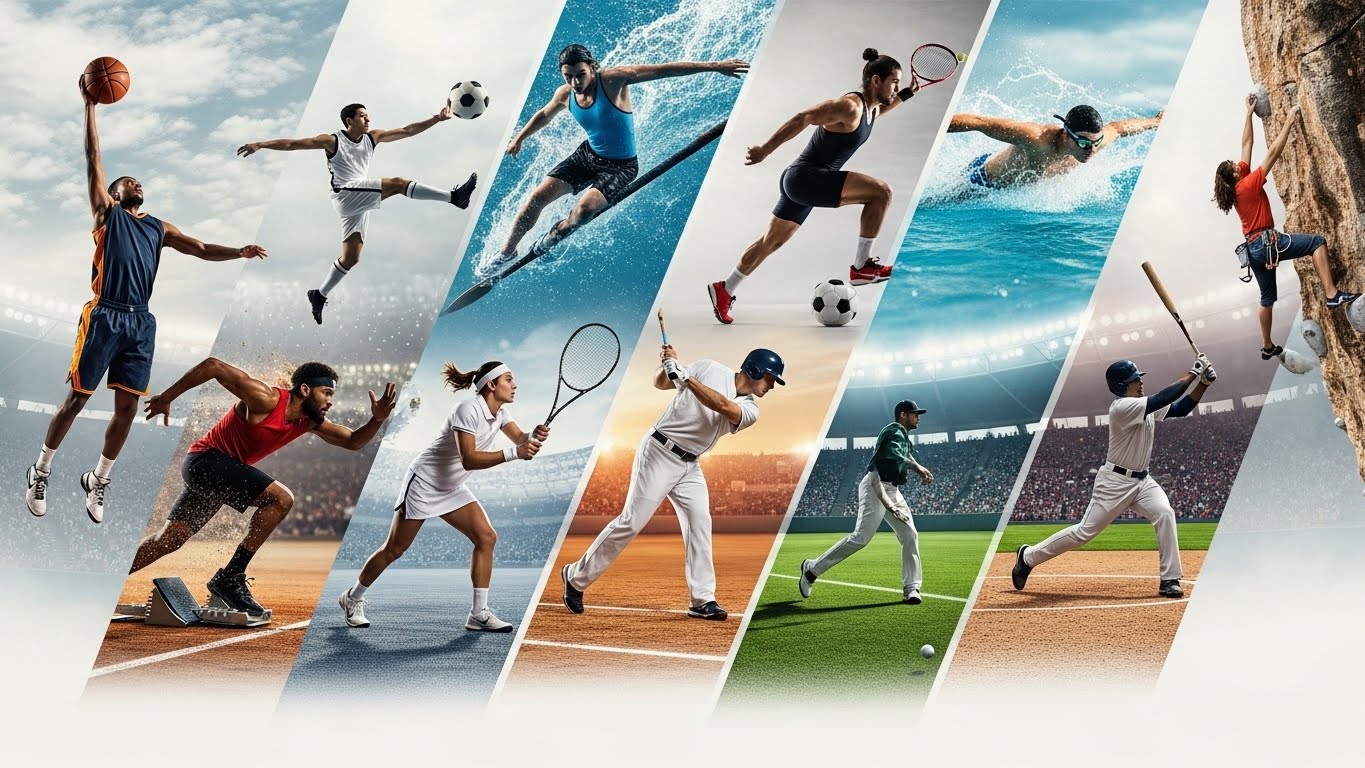
Introduction: More Than Just a Game
Sports have always been more than a contest of strength, speed, or skill. From dusty playgrounds to grand international stadiums, sports reflect human ambition, discipline, and emotion. They unite people across borders, teach valuable life lessons, and provide a platform where effort meets opportunity. Whether played professionally or casually, sports influence individuals and societies in ways that extend far beyond the final score.
The Historical Roots of Sports
Sports are deeply rooted in human history. Ancient civilizations organized games not only for entertainment but also for training warriors, honoring gods, and building social unity. Over time, these activities evolved into structured competitions with rules, ethics, and traditions. This evolution mirrors the growth of societies themselves, showing how sports have always adapted to cultural values and technological progress while preserving their core spirit of fair competition.
Sports as a School of Discipline
One of the most powerful impacts of sports is the discipline they instill. Regular training requires commitment, time management, and patience. Athletes learn to follow routines, respect schedules, and push through discomfort. These habits often translate into other areas of life, helping individuals succeed academically, professionally, and personally. Sports teach that progress is rarely instant and that consistent effort leads to long-term rewards.
Building Mental Strength Through Competition
Sports are as much a mental challenge as a physical one. Handling pressure, coping with defeat, and staying focused during intense moments require emotional control and resilience. Athletes learn to manage stress, maintain confidence, and adapt to changing situations. These mental skills are invaluable in everyday life, where challenges and setbacks are inevitable. Sports provide a safe environment to experience failure and learn how to recover from it.
Teamwork and Leadership on and off the Field
Team sports, in particular, highlight the importance of cooperation and leadership. Players must communicate effectively, trust one another, and work toward a shared goal. Leadership in sports is not limited to captains or star players; it can emerge from anyone who motivates teammates or leads by example. These experiences help individuals understand group dynamics and develop interpersonal skills that are essential in workplaces and communities.
Sports and Cultural Identity
Sports often serve as a reflection of cultural identity. Certain games become symbols of national pride, regional heritage, or community tradition. Fans rally behind teams not only because of performance but because they represent shared values and collective history. Sporting events can bring together people from different backgrounds, fostering unity and mutual respect. In this way, sports act as a cultural language understood across generations.
The Role of Sports in Social Change
Throughout history, sports have played a role in challenging social barriers and promoting inclusion. Athletes have used their platforms to advocate for equality, fairness, and justice. Sporting arenas have become spaces where stereotypes are questioned and opportunities are created for marginalized groups. While challenges remain, sports continue to offer a powerful stage for positive social influence and awareness.
Youth Development and Education
For young people, sports can be a transformative force. Participation in sports encourages physical fitness, confidence, and social interaction. It also teaches young athletes how to set goals, accept guidance, and respect rules. Many educational institutions recognize the value of sports in shaping well-rounded individuals. The lessons learned through wins and losses often leave a lasting impression that textbooks alone cannot provide.
Health and Well-Being Benefits
The physical benefits of sports are widely recognized. Regular participation improves cardiovascular health, strength, flexibility, and coordination. Beyond physical fitness, sports contribute to mental well-being by reducing stress, improving mood, and boosting self-esteem. In an increasingly sedentary world, sports offer a practical and enjoyable way to maintain a healthy lifestyle while fostering a sense of achievement.
The Business and Media Influence
Modern sports are closely linked with media and business. Broadcasting, sponsorships, and merchandising have transformed sports into a global industry. This commercialization has increased visibility and investment, allowing athletes to reach wider audiences. However, it also raises questions about balance, ethics, and the true spirit of competition. Understanding this dynamic helps fans appreciate both the opportunities and challenges facing contemporary sports.
Technology and the Evolution of Performance
Advancements in technology have significantly changed how sports are played and analyzed. From improved training equipment to data-driven performance analysis, athletes now have access to tools that enhance preparation and reduce injury risks. Technology has also improved fairness through better officiating and replay systems. While debates continue about overreliance on technology, its role in shaping modern sports is undeniable.
Sports as a Unifying Global Language
Few things can bring people together like sports. Major tournaments capture global attention, creating shared moments of joy, heartbreak, and celebration. Language, politics, and geography fade as fans connect through common emotions. This unifying power highlights the unique ability of sports to bridge differences and remind humanity of its shared passions and dreams.
Personal Growth Through Individual Sports
While team sports emphasize cooperation, individual sports highlight self-reliance and personal accountability. Athletes compete primarily against their own limits, learning to trust their preparation and instincts. Success and failure are deeply personal, fostering self-awareness and independence. These experiences help individuals develop confidence and a strong sense of identity.
Challenges and Pressures in Competitive Sports
Despite their many benefits, sports also present challenges. Intense competition can lead to pressure, burnout, and unrealistic expectations. Young athletes, in particular, may struggle with balancing performance and enjoyment. Addressing these issues requires supportive environments, responsible coaching, and an emphasis on well-being over results. Healthy sports culture prioritizes growth and enjoyment alongside achievement.
The Role of Coaches and Mentors
Coaches play a crucial role in shaping athletes’ experiences. Beyond teaching skills, they influence attitudes, values, and behavior. A good coach inspires confidence, encourages learning, and fosters respect. Mentorship in sports often leaves a lasting impact, guiding athletes not only in competition but also in life decisions and personal development.
Sportsmanship and Ethical Values
At its core, sports are grounded in principles of fairness, respect, and integrity. Sportsmanship teaches athletes to honor rules, opponents, and officials. These ethical values reinforce the idea that how a game is played matters as much as the outcome. Upholding sportsmanship helps preserve the credibility and beauty of sports across all levels.
The Lifelong Connection to Sports
Even after active participation ends, sports remain a lifelong influence. Former athletes often carry lessons of discipline, teamwork, and resilience into their careers and relationships. Fans continue to find joy, nostalgia, and community through following sports. This enduring connection shows how deeply sports can shape identity and memory.
Conclusion: The Enduring Power of Sports
Sports occupy a unique place in human society. They entertain, challenge, and inspire while teaching lessons that extend far beyond the playing field. Through discipline, teamwork, cultural expression, and personal growth, sports contribute to building stronger individuals and communities. As long as people seek connection, challenge, and purpose, sports will remain a powerful and meaningful part of the human experience.