Introduction: More Than Just a Game
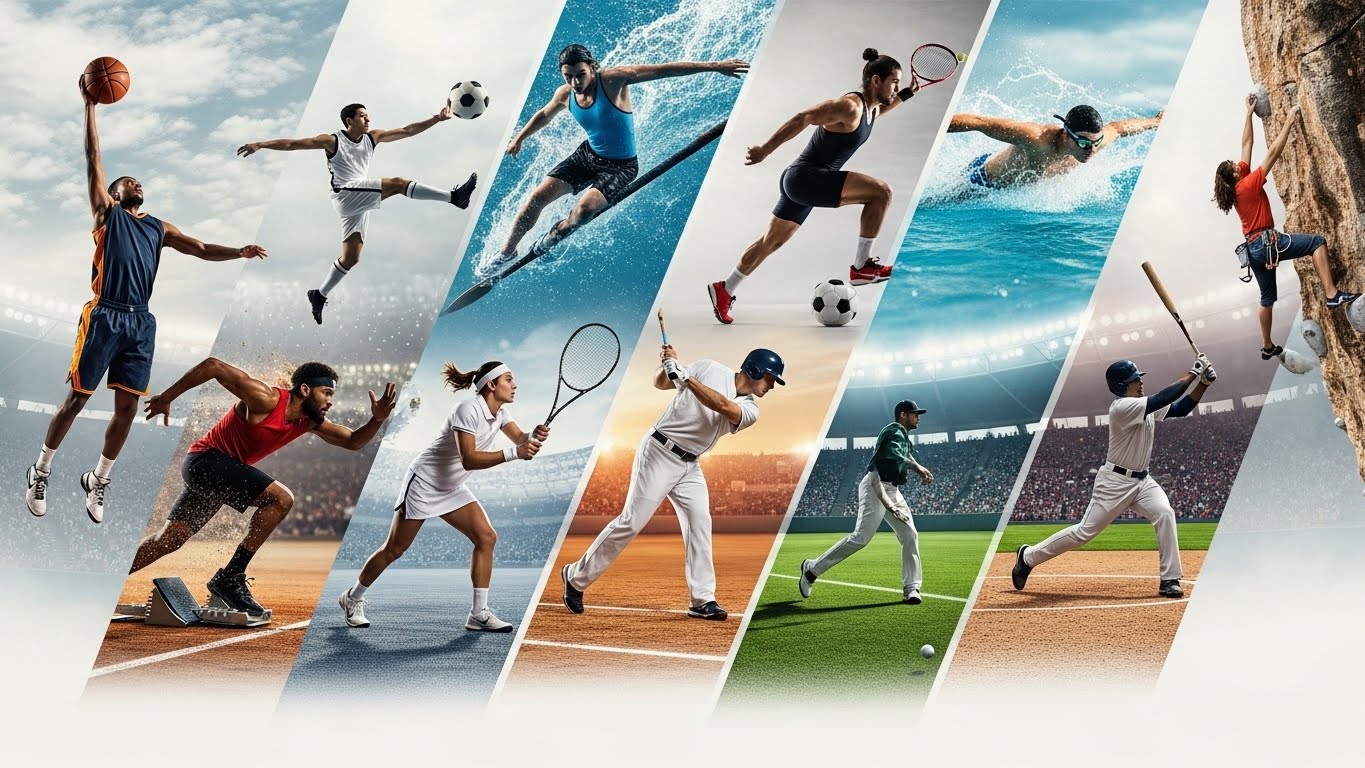
Sports have always been more than a contest between two sides trying to outscore each other. From dusty village fields to massive international stadiums, sports represent emotion, discipline, culture, and identity. They reflect who we are as individuals and as societies. Whether it is a child playing barefoot cricket in a street, a runner pushing through exhaustion on a lonely track, or an athlete standing on a podium with tears in their eyes, sports capture the essence of human struggle and triumph. This blog explores how sports influence our lives far beyond the final score.
The Universal Language of Sports
One of the most powerful aspects of sports is its universality. Language, religion, and nationality often divide people, but sports create a common ground where emotions are instantly understood. A goal, a knockout punch, or a finish line crossed does not need translation. Cheers, silence, joy, and heartbreak are felt the same way everywhere. This shared emotional experience allows sports to connect people who may otherwise have nothing in common, making it one of the strongest social forces in the world.
Sports and the Formation of Character
Participation in sports plays a critical role in building character. Discipline is one of the earliest lessons learned by any athlete. Waking up early for training, following rules, and respecting coaches and teammates instill habits that last a lifetime. Sports also teach responsibility, as individual actions directly affect team performance. Winning builds confidence, while losing teaches humility and resilience. These lessons shape not just better athletes, but stronger, more balanced individuals.
The Mental Strength Behind Physical Performance
While sports are often associated with physical ability, mental strength is equally important. Athletes constantly battle self doubt, pressure, fear of failure, and expectations from others. Learning to stay focused in high pressure moments is a skill developed through years of experience. Sports teach people how to handle stress, remain calm under pressure, and push forward even when the body and mind want to quit. These mental skills often transfer into personal and professional life, helping individuals succeed beyond the field.
Teamwork and the Power of Unity
Team sports, in particular, highlight the importance of cooperation and trust. No matter how talented one player is, success depends on collective effort. Teamwork teaches communication, patience, and empathy. Players learn to support each other during difficult moments and celebrate together during success. This sense of unity fosters belonging and teaches that shared goals are often more meaningful than individual glory.
Individual Sports and Self Mastery
While team sports emphasize unity, individual sports focus on self mastery. Athletes in sports such as athletics, tennis, boxing, or swimming rely primarily on their own preparation and mindset. They learn accountability, as there is no one else to blame for failure or credit for success. Individual sports push athletes to understand their limits, set personal goals, and constantly strive for improvement. This journey of self discovery is one of the most powerful aspects of sports.
Sports as a Tool for Social Change
Throughout history, sports have played a significant role in social change. Athletes have used their platforms to challenge discrimination, promote equality, and inspire movements. Sporting events have broken racial barriers, empowered women, and brought attention to social injustices. Sports provide visibility and influence, making them a powerful medium for raising awareness and encouraging dialogue on important issues.
The Economic and Cultural Impact of Sports
Sports also have a major economic and cultural influence. They create jobs, boost tourism, and contribute to local and national economies. Major sporting events bring global attention to host cities and countries. Culturally, sports shape traditions, rivalries, and national pride. Jerseys, chants, and rituals become symbols of identity passed down through generations. Sports are deeply woven into the cultural fabric of societies around the world.
The Role of Sports in Youth Development
For young people, sports can be life changing. They provide structure, purpose, and a positive outlet for energy. Youth sports encourage healthy lifestyles and reduce the risk of harmful behaviors. Coaches often become mentors, guiding children not only in sport but in life. Through sports, young people learn goal setting, time management, and the value of hard work. These lessons are especially impactful during formative years.
Technology and the Evolution of Modern Sports
Modern sports have been transformed by technology. Training methods, performance analysis, and injury prevention have all advanced significantly. Data and analytics help athletes and teams make informed decisions. At the same time, technology has changed how fans experience sports, bringing them closer to the action than ever before. While these advancements improve performance and engagement, they also raise questions about fairness and the balance between human skill and technological assistance.
The Emotional Bond Between Fans and Sports
Fans are the heartbeat of sports. Their passion turns matches into memories and athletes into legends. The emotional bond between fans and their teams is often deeply personal, tied to family traditions and childhood memories. Sports provide moments of escape, joy, and shared experience. Even in defeat, fans find connection and meaning through loyalty and hope for the next season.
The Dark Side of Competition
Despite its many positives, sports also have a darker side. Excessive pressure, commercialization, and unethical practices can harm athletes and the integrity of competition. Issues such as doping, corruption, and exploitation highlight the need for strong values and governance. Recognizing these challenges is essential to preserving the true spirit of sports and ensuring that competition remains fair and meaningful.
Sports and Lifelong Health
Engaging in sports promotes physical health and mental well being. Regular activity reduces the risk of chronic illness, improves mood, and enhances overall quality of life. Sports encourage people of all ages to stay active and connected. Even recreational participation offers benefits, proving that sports are not just for professionals but for anyone seeking a healthier and more balanced lifestyle.
Conclusion: The Lasting Legacy of Sports
Sports are a reflection of humanity itself. They showcase our strengths, expose our weaknesses, and celebrate our ability to strive for greatness. Beyond trophies and records, sports leave a lasting impact on character, culture, and community. They teach lessons that extend far beyond the field and remain with us long after the final whistle. In a world constantly changing, sports continue to remind us of the power of passion, perseverance, and the unbreakable human spirit.