Introduction
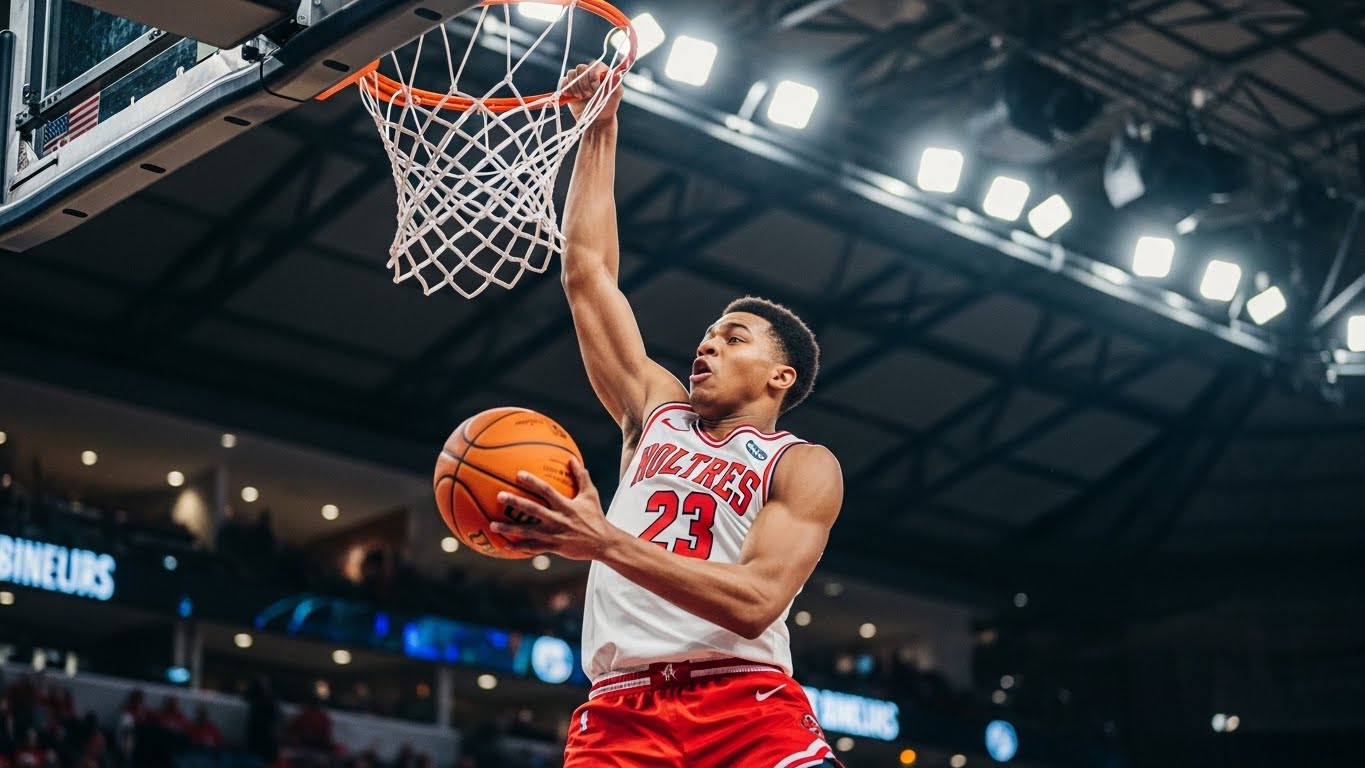
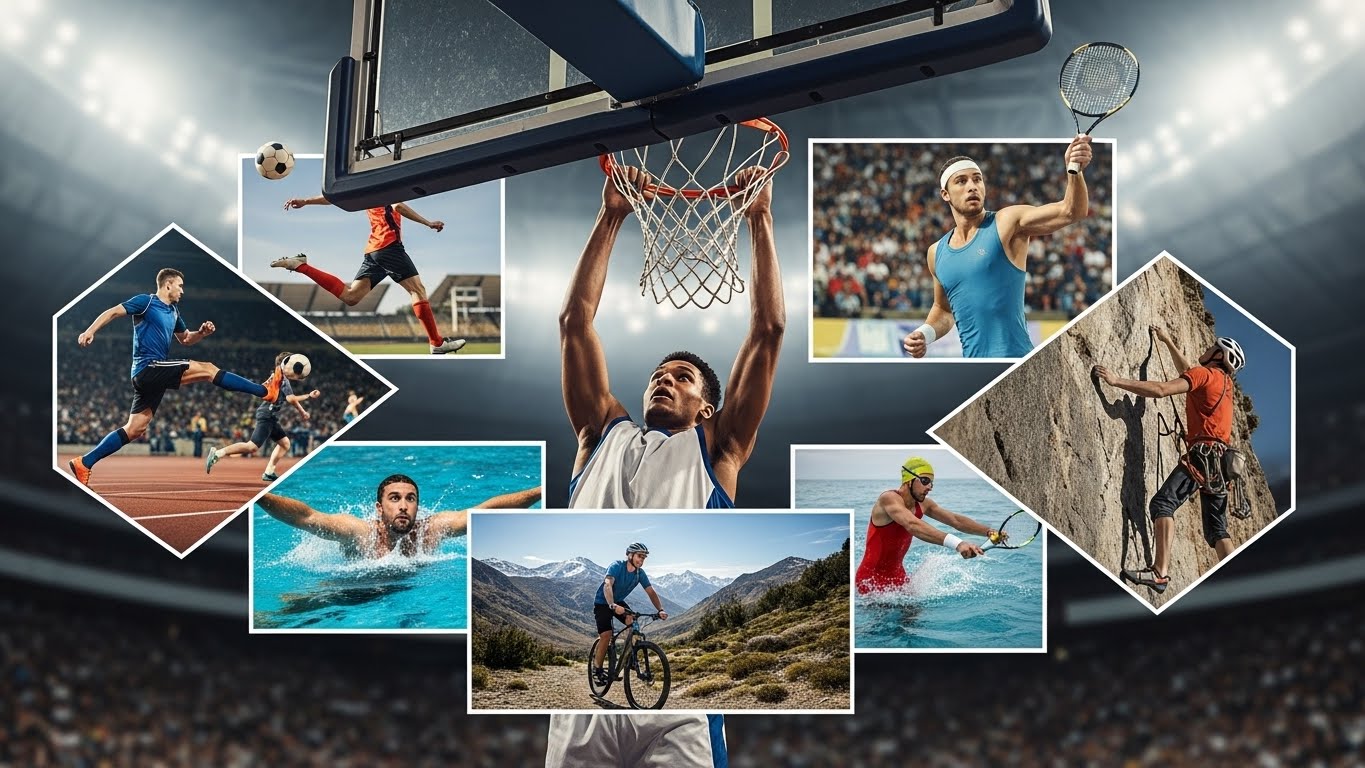
Sports have been an essential part of human culture for centuries, serving as a means of competition, recreation, and social cohesion. From ancient Olympic contests to modern professional leagues, sports influence culture, economy, and individual well-being. They teach discipline, resilience, teamwork, and leadership while inspiring passion and camaraderie among fans worldwide. In this blog, we explore the history, cultural impact, health benefits, economic significance, and future of sports, highlighting their role in shaping societies.
The Origins of Sports
The history of sports dates back thousands of years. Ancient civilizations, including Greece, Egypt, and China, organized athletic competitions to showcase physical strength, skill, and endurance. The original Olympic Games in Greece celebrated human achievement and fostered unity among city-states.
Over time, sports evolved with societies, adapting rules, equipment, and formats. Medieval jousts, traditional martial arts, and indigenous games illustrate how sports were intertwined with cultural values, rituals, and community identity. The development of modern organized sports in the 19th and 20th centuries marked the transition from informal recreation to structured competitions, leagues, and international tournaments.
Physical Health and Fitness
One of the most evident benefits of sports is the positive impact on physical health. Regular participation improves cardiovascular fitness, strengthens muscles, enhances flexibility, and supports weight management. Sports also reduce the risk of chronic diseases such as diabetes, hypertension, and obesity.
Engaging in sports from a young age encourages lifelong fitness habits. Whether through individual activities like running and swimming or team sports such as soccer and basketball, physical activity promotes endurance, agility, and overall well-being. Sports also contribute to improved coordination, balance, and motor skills, essential for maintaining a healthy lifestyle.
Mental Health and Emotional Well-Being
Sports are not just beneficial for the body; they also enhance mental health. Physical activity triggers the release of endorphins, reducing stress, anxiety, and depression. Team sports foster social interaction and emotional support, creating a sense of belonging and community.
Sports teach resilience, focus, and discipline. Athletes learn to set goals, cope with setbacks, and maintain motivation, skills that transfer to other areas of life. The psychological benefits of sports extend beyond personal growth, promoting emotional stability, confidence, and a positive outlook.
Teamwork and Leadership Skills
Participating in sports cultivates essential life skills, particularly teamwork and leadership. Team sports require collaboration, communication, and trust. Players must understand their roles, strategize together, and support one another to achieve common goals.
Leadership development is also a crucial aspect. Captains and key players often guide their teams, make critical decisions under pressure, and inspire others to perform at their best. These experiences translate into skills applicable in workplaces, schools, and community organizations, demonstrating how sports prepare individuals for success beyond the playing field.
The Cultural Impact of Sports
Sports have a profound cultural influence. They shape identity, unite communities, and reflect societal values. National teams, local clubs, and global events create shared experiences, fostering pride, solidarity, and emotional connection among fans.
Iconic athletes become cultural symbols, inspiring generations and transcending sports. Figures such as Serena Williams, Lionel Messi, and Usain Bolt embody excellence, perseverance, and dedication. Sports also influence fashion, music, and media, contributing to cultural trends and popular culture.
Economic Significance of Sports
The sports industry is a significant driver of economic growth. Professional leagues, tournaments, merchandise, media rights, and sponsorships generate billions of dollars annually. Sports infrastructure, including stadiums, arenas, and training facilities, creates jobs and stimulates local economies.
Beyond professional sports, community programs and recreational facilities contribute to economic activity. Fitness centers, youth leagues, and sporting events encourage participation and tourism, creating opportunities for small businesses and local communities. The financial impact of sports underscores their importance as both entertainment and economic engines.
Sports and Education
Sports play a vital role in education, offering opportunities for physical development, social engagement, and academic achievement. Schools and universities often provide athletic programs, allowing students to balance physical activity with intellectual growth.
Scholarships and competitive programs enable talented athletes to pursue higher education while honing their skills. Sports also teach time management, perseverance, and discipline, complementing academic learning. Integrating sports into education supports holistic development, nurturing well-rounded individuals prepared for future challenges.
Technology in Sports
Technological advancements have transformed the way sports are played, viewed, and analyzed. Wearable devices track performance, monitor health, and enhance training efficiency. Video analysis, data analytics, and motion capture provide insights into strategies, tactics, and player development.
Broadcasting technology, streaming platforms, and virtual reality allow fans to engage with sports globally, providing immersive experiences and real-time access to events. Technology not only enhances performance and training but also elevates fan engagement, creating a dynamic and interactive sports culture.
Sports for Social Change
Sports have the power to drive social change and promote inclusivity. Initiatives focused on gender equality, accessibility, and youth development leverage sports as a platform for empowerment and awareness. Programs targeting disadvantaged communities use sports to teach life skills, build confidence, and foster social integration.
Major sporting events often highlight social causes, inspiring global audiences and encouraging activism. The universal appeal of sports makes it a powerful tool for promoting fairness, cooperation, and societal progress.
Global Competitions and Events
International sporting events, such as the Olympic Games, FIFA World Cup, and Commonwealth Games, bring nations together and celebrate human achievement. These events showcase talent, diversity, and cultural exchange, creating moments of unity and shared excitement.
Global competitions also foster international collaboration, sports diplomacy, and mutual understanding. Athletes from different backgrounds compete with respect, demonstrating the values of sportsmanship, integrity, and perseverance on a worldwide stage.
The Future of Sports
The future of sports is shaped by innovation, inclusivity, and evolving fan experiences. Advancements in technology will continue to enhance training, performance, and viewer engagement. Virtual and augmented reality may transform how fans experience games, providing immersive and interactive environments.
Sports are becoming more inclusive, with opportunities expanding for women, athletes with disabilities, and emerging regions. The integration of esports and digital platforms further broadens participation, appealing to younger audiences and global communities. The future of sports promises to be diverse, technologically advanced, and socially impactful.
Conclusion
Sports are far more than competitions or games; they are a reflection of culture, a driver of health and education, and a catalyst for economic and social development. They teach essential life skills, inspire communities, and unite people across boundaries.
From local recreational leagues to global competitions, sports influence every aspect of society. The benefits extend beyond physical fitness, fostering mental well-being, teamwork, leadership, and cultural identity.
As technology, inclusivity, and global connectivity continue to evolve, sports will remain a vital part of human life, shaping future generations and redefining what it means to compete, collaborate, and celebrate achievement.
Sports are not just about winning or losing—they are about growth, connection, and the enduring human spirit that drives us to challenge ourselves and each other.