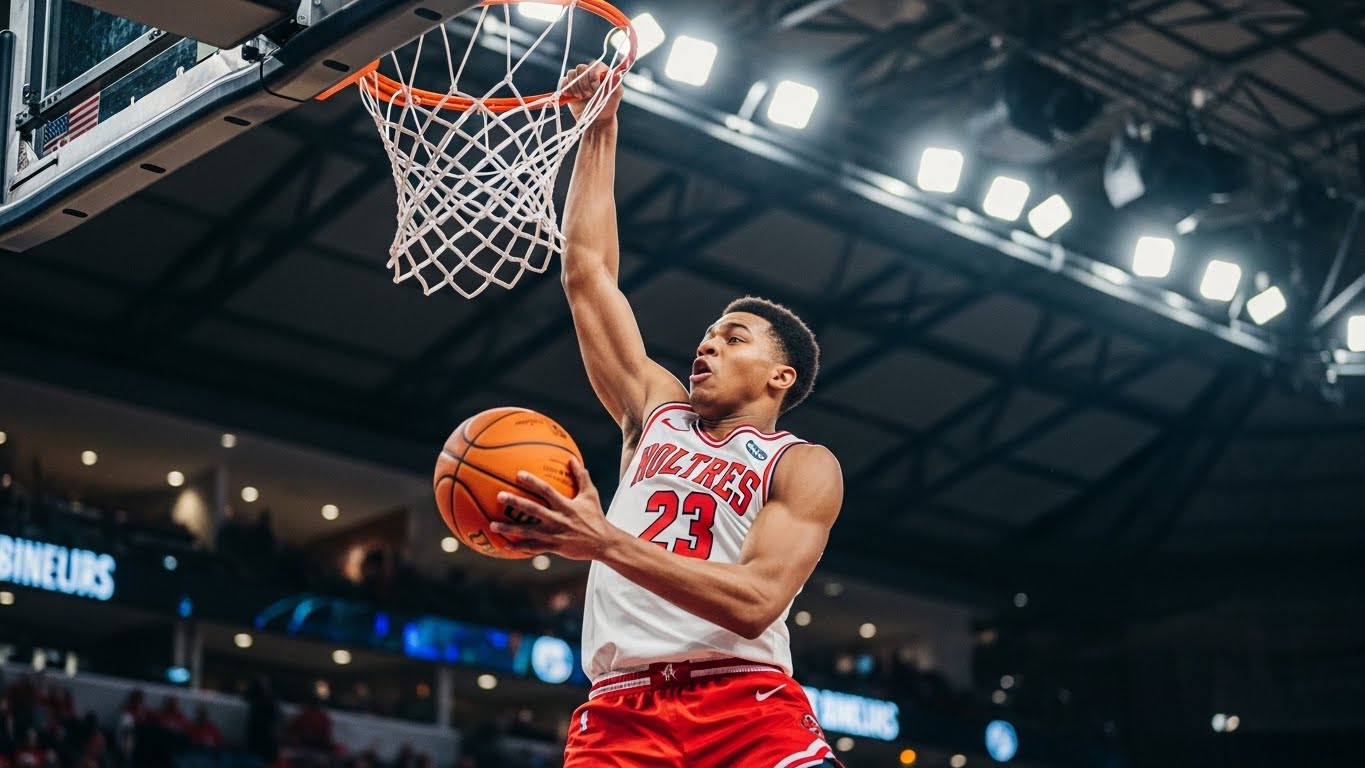

Introduction: The Universality of Sports
Sports have been an integral part of human society for centuries. From ancient Olympic games to modern professional leagues, sports transcend language, culture, and geography. They are not merely games; they are reflections of human ambition, discipline, and creativity. Sports entertain, inspire, and unite people across the globe, offering lessons in teamwork, resilience, and perseverance. This blog explores the world of sports, their evolution, their social impact, and why they remain a cornerstone of human life.
The Historical Evolution of Sports
Sports have a rich history that dates back thousands of years. Ancient civilizations like Greece and Egypt incorporated physical activities into their culture, celebrating athleticism through festivals and competitions. The Olympic Games, first held in 776 BCE, set the stage for organized, competitive sports, emphasizing not just physical prowess but also honor, discipline, and community.
As societies evolved, so did the nature of sports. Medieval jousting tournaments, traditional martial arts, and indigenous games reflected cultural values and skills. The industrial revolution brought organized team sports like football, cricket, and basketball into the modern era, allowing spectators to witness structured competitions. Today, sports continue to evolve, integrating advanced technology, analytics, and global fan engagement.
Physical and Mental Benefits of Sports
Engaging in sports is not only enjoyable but also crucial for maintaining physical health. Regular participation improves cardiovascular fitness, strengthens muscles, enhances flexibility, and supports overall well-being. Beyond physical benefits, sports promote mental health by reducing stress, improving mood, and fostering a sense of achievement.
Competitive sports teach focus, discipline, and strategic thinking. Athletes learn to set goals, cope with setbacks, and maintain persistence. Even non-professional participants experience enhanced cognitive skills, improved teamwork abilities, and better emotional regulation, making sports a holistic approach to personal development.
The Social Impact of Sports
Sports have a remarkable ability to unite people, breaking barriers of language, ethnicity, and social class. Major events like the World Cup, the Olympics, or regional championships create moments of collective celebration and shared identity. Fans come together to support their teams, forging connections that transcend personal differences.
Sports also serve as a platform for social change. Athletes often advocate for equality, education, and community development. Iconic figures have used their influence to challenge stereotypes, raise awareness about social issues, and inspire positive transformations, proving that sports are not limited to physical competition but also embody leadership and social responsibility.
Team Sports vs Individual Sports
Sports can be broadly categorized into team-based and individual activities, each offering unique experiences. Team sports such as football, basketball, and cricket emphasize collaboration, communication, and shared responsibility. Success in these sports requires coordination, trust, and strategic planning, teaching players the importance of unity and mutual support.
Individual sports like tennis, gymnastics, or swimming focus on personal skill, self-discipline, and mental resilience. Athletes rely on self-motivation, personal accountability, and consistent practice. Both forms of sports, whether collaborative or individual, cultivate essential life skills, from perseverance to decision-making under pressure.
The Role of Technology in Modern Sports
Technology has transformed sports in multiple ways. Advanced training equipment, wearable devices, and performance analytics allow athletes to track progress, optimize training, and prevent injuries. Video analysis and AI-driven strategies help coaches make informed decisions, enhancing both individual and team performance.
Spectators also benefit from technological innovations. High-definition broadcasts, instant replays, and virtual reality experiences make following sports more immersive. Social media platforms allow fans to engage directly with athletes and teams, expanding the reach and influence of sports worldwide. Technology ensures that sports remain dynamic, accessible, and engaging in the modern era.
Globalization of Sports
The globalization of sports has created a shared culture that crosses national boundaries. Leagues like the NBA, Premier League, and Formula One attract audiences from around the world, turning sports into a global entertainment phenomenon. International competitions provide a stage for cultural exchange, showcasing talent from diverse regions and promoting mutual understanding among nations.
Global sports also offer economic benefits, creating employment opportunities, boosting tourism, and inspiring infrastructure development. Athletes become ambassadors of their countries, and fans connect through a shared passion, highlighting how sports serve as a bridge between communities and cultures.
Women in Sports: Breaking Barriers
The role of women in sports has grown significantly, challenging traditional stereotypes and inspiring new generations. Female athletes have excelled in football, athletics, tennis, and countless other disciplines, proving that talent and determination know no gender. Increased visibility of women’s sports has led to greater investment, sponsorship, and fan engagement.
Women’s achievements in sports empower girls and young women worldwide, promoting equality, confidence, and resilience. The rise of women in sports demonstrates that athletic excellence is not confined by societal expectations but driven by skill, passion, and dedication.
Youth and Sports: Nurturing the Future
Introducing children and young adults to sports has profound benefits. Youth sports develop physical fitness, social skills, and emotional resilience. Team participation teaches cooperation, fair play, and conflict resolution, while individual activities foster self-discipline and goal-setting.
Moreover, sports provide an outlet for energy, creativity, and competition, reducing the risk of sedentary lifestyles and unhealthy habits. Mentorship from coaches and role models helps young athletes cultivate ambition, responsibility, and leadership skills, preparing them for future challenges both on and off the field.
Sports as Entertainment
Sports are not only a form of physical activity but also a major source of entertainment. Stadiums, tournaments, and live broadcasts attract millions of viewers, creating excitement, suspense, and community engagement. Fans experience emotions ranging from elation to heartbreak, connecting with athletes and teams in deeply personal ways.
Beyond spectator enjoyment, sports entertainment fuels media, merchandise, and digital engagement. Fantasy leagues, social media interaction, and gaming tie fans closer to the action, expanding the experience beyond the traditional field or court. Sports entertainment continues to evolve, blending competition, storytelling, and technology to captivate global audiences.
Ethics, Fair Play, and Sportsmanship
Sports are grounded in ethics, fair play, and respect. Rules exist to ensure competition is balanced, and values like integrity, humility, and accountability are emphasized. Sportsmanship teaches athletes to accept victory and defeat with grace, fostering character development and moral awareness.
Challenges like doping, corruption, and unethical behavior occasionally arise, reminding the community of the importance of integrity in sports. Maintaining these principles ensures that sports remain a platform for inspiration, positive values, and authentic achievement.
The Psychological Aspects of Sports
Mental strength is as crucial as physical ability in sports. Concentration, focus, resilience, and stress management influence performance significantly. Athletes develop strategies to cope with pressure, setbacks, and competition, enhancing not only their sports performance but also their life skills.
The psychology of fans is equally fascinating. Emotional investment in teams and players creates a sense of identity, belonging, and shared experience. Sports evoke passion, hope, and unity, proving that its impact extends beyond the physical arena into emotional and social domains.
The Future of Sports
The future of sports is poised for innovation and expansion. Emerging technologies, virtual reality competitions, wearable performance monitors, and AI-driven training will redefine athlete development and fan engagement. Inclusive sports programs and global initiatives will further promote diversity, accessibility, and social impact.
The evolution of sports ensures that they will continue to inspire, challenge, and entertain future generations. As human society changes, sports will adapt, maintaining their role as a dynamic force for culture, connection, and personal growth.
Conclusion: Sports as a Reflection of Human Potential
Sports are far more than games or competitions; they are a reflection of human potential, discipline, and creativity. They entertain, unite, and inspire people across cultures and generations. Through participation and spectatorship, sports teach essential life skills, promote health, and foster community.
From ancient rituals to modern global tournaments, sports continue to evolve, blending tradition with innovation. Their power lies in their universality, accessibility, and ability to evoke emotion, passion, and purpose. Beyond the game itself, sports remind us of our shared humanity and the limitless possibilities of dedication, teamwork, and perseverance.