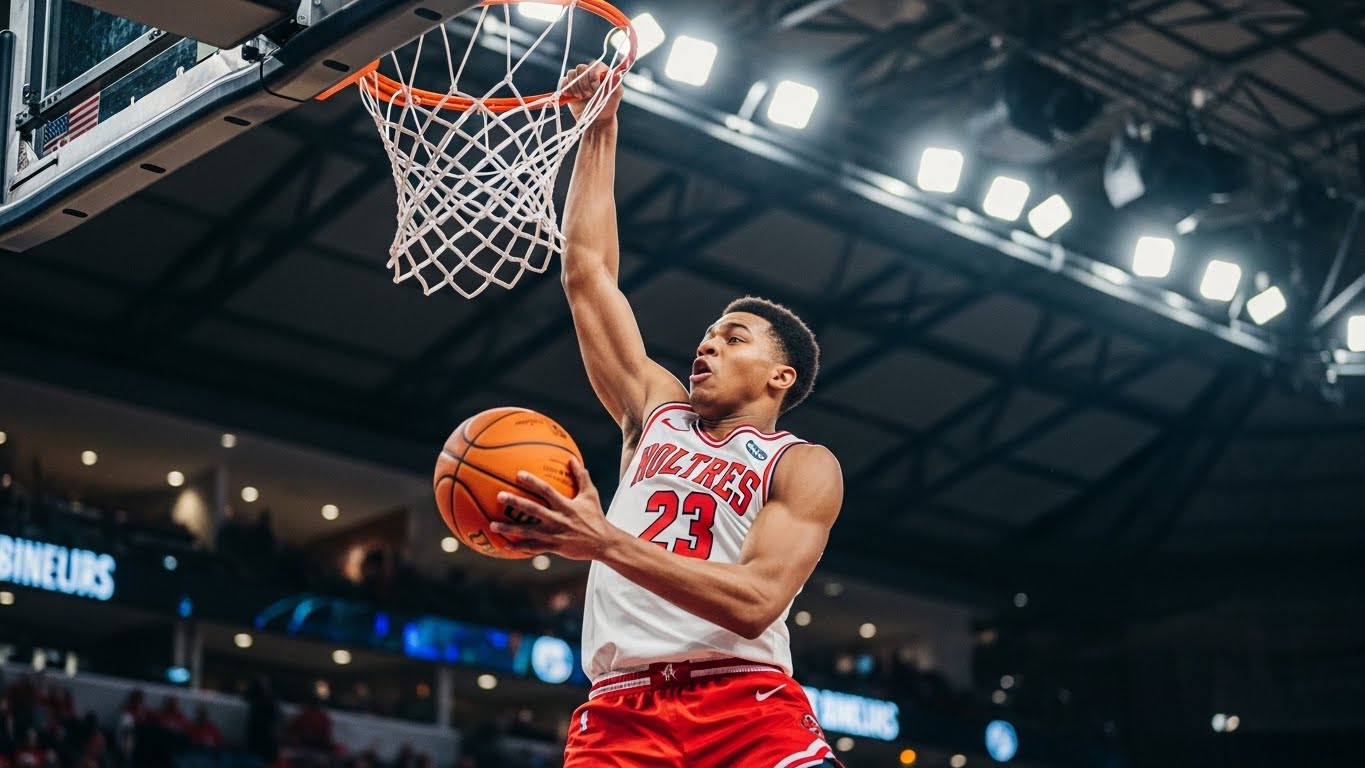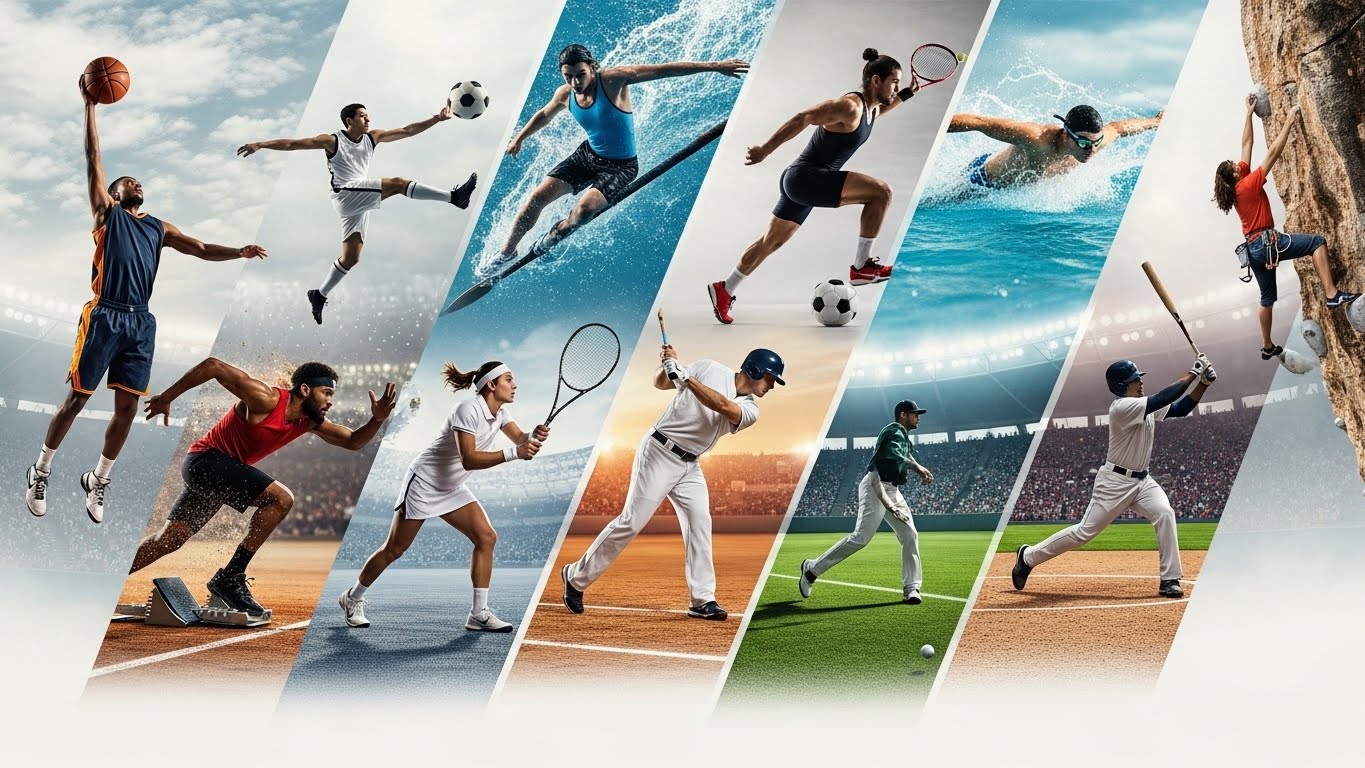

Introduction: The Timeless Appeal of Sports
From ancient stadiums to modern arenas, sports have been an integral part of human culture. They transcend boundaries of language, geography, and social class, uniting people through shared excitement and passion. More than just games, sports influence physical health, mental well-being, social cohesion, and even economic growth. Whether played professionally or casually, sports impact individuals and communities in profound ways. Understanding their role is essential to appreciating why sports have remained central to human life for centuries.
The Origins and Evolution of Sports
Sports have existed in various forms since early human history. Ancient civilizations, including the Greeks, Egyptians, and Chinese, developed athletic competitions that tested strength, speed, and skill. Events such as the original Olympic Games celebrated human potential and honored cultural values. Over centuries, sports evolved alongside societies, adapting rules, equipment, and structures to reflect changing tastes and technologies. Today, sports range from traditional athletics like running, swimming, and wrestling to modern innovations like extreme sports and e-sports, each offering unique experiences and challenges.
Physical Benefits of Sports
One of the most apparent impacts of sports is physical health. Regular participation improves cardiovascular fitness, strengthens muscles, enhances flexibility, and maintains healthy body weight. Sports also reduce the risk of chronic diseases such as diabetes, heart disease, and obesity. Beyond long-term health benefits, sports improve coordination, balance, and endurance, equipping individuals with skills applicable in daily life. The physical demands of sports foster resilience, discipline, and consistency, qualities that extend beyond athletic performance.
Mental and Emotional Well-being
Sports are equally beneficial for mental and emotional health. Physical activity triggers the release of endorphins, reducing stress and promoting positive moods. Engaging in sports also builds focus, concentration, and problem-solving abilities, especially in strategic games like basketball, soccer, or tennis. Team sports cultivate emotional intelligence, empathy, and communication skills, as players learn to manage conflicts, celebrate successes, and cope with losses. For many, sports serve as an outlet for expression, helping individuals navigate the complexities of everyday life.
Sports as a Platform for Character Development
Sports teach lessons that extend far beyond the field. Discipline, perseverance, teamwork, and leadership are cultivated through consistent practice and competition. Athletes learn to set goals, accept feedback, and overcome setbacks, shaping character and resilience. Sports also instill a sense of responsibility, as players must honor rules, respect opponents, and demonstrate fair play. These experiences equip individuals with skills and values that are essential for personal and professional success.
The Role of Teams and Collaboration
Team sports, in particular, highlight the importance of collaboration. Success is rarely achieved alone; it requires coordination, trust, and communication. Players must understand each other’s strengths and weaknesses, adapt strategies, and support one another. This sense of collective purpose creates camaraderie and lasting friendships. Beyond personal benefits, teamwork in sports mirrors societal dynamics, teaching lessons about leadership, cooperation, and conflict resolution that are applicable in workplaces and communities.
Sports and Social Connection
Sports have a unique ability to bring people together. Fans gather to cheer for their favorite teams, celebrate victories, and share disappointments. Local communities organize leagues and events, fostering inclusivity and engagement across age groups and backgrounds. International competitions like the Olympics or World Cups unite nations in shared experiences, transcending politics and cultural differences. Through sports, people develop a sense of belonging and identity, reinforcing bonds that strengthen social cohesion.
Economic and Cultural Impact
Sports contribute significantly to local and global economies. Professional leagues generate revenue through ticket sales, merchandise, media rights, and sponsorships. Large-scale sporting events stimulate tourism, infrastructure development, and job creation. Beyond economics, sports influence culture, shaping fashion, language, and entertainment. Icons in sports often become cultural ambassadors, inspiring millions and impacting societal trends. The integration of sports into media and popular culture demonstrates their far-reaching influence beyond mere competition.
Challenges in Sports
While sports offer many benefits, they also present challenges. Physical injuries are common, ranging from minor sprains to career-threatening conditions. Mental pressures, particularly in professional settings, can lead to burnout, anxiety, and depression. Issues such as doping, match-fixing, and discrimination undermine fairness and integrity. Additionally, access to sports is not equal, as socioeconomic barriers limit participation for many individuals. Addressing these challenges is crucial for maintaining sports as a healthy, inclusive, and respected institution.
Inclusivity and Diversity in Sports
Promoting inclusivity in sports enhances both participation and impact. Efforts to encourage gender equality, support athletes with disabilities, and embrace diverse communities are reshaping traditional norms. Adaptive sports, inclusive leagues, and community programs ensure that everyone has the opportunity to engage in physical activity. Diversity enriches competition, broadens perspectives, and fosters empathy among participants and spectators alike. Inclusive sports are a reflection of societies striving for fairness, equity, and mutual respect.
Sports and Education
Sports play an essential role in education. Many schools and universities integrate athletics into their curriculum to promote holistic development. Participation in sports enhances concentration, time management, and teamwork, complementing academic learning. Scholarships and programs encourage students to excel both in classrooms and on the field. Additionally, sports teach practical lessons about effort, resilience, and accountability that cannot be fully captured in textbooks. By combining education and athletics, individuals gain skills that prepare them for lifelong success.
Technology and the Modern Sports Experience
Technology has transformed how sports are played, watched, and analyzed. Wearable devices monitor performance and health metrics, while instant replays and advanced analytics improve decision-making in games. Broadcasts and streaming platforms bring competitions to global audiences, creating immersive experiences for fans. Virtual and augmented reality are expanding opportunities for training and entertainment, while social media allows athletes to engage directly with followers. Technology has elevated sports from physical activity to a multidimensional cultural and digital experience.
The Global Spirit of Competition
Sports connect people across borders. International competitions foster camaraderie, diplomacy, and mutual respect among nations. Athletes become symbols of national pride, and fans experience collective joy and unity. The universality of sports allows them to serve as a common language, bridging cultural, linguistic, and social differences. This global spirit not only enhances appreciation for diverse talents but also promotes values of fairness, perseverance, and unity on a worldwide scale.
The Future of Sports
The future of sports promises continued innovation, inclusivity, and global impact. Emerging disciplines, technological advancements, and evolving audience expectations will shape new ways to participate and engage. Esports, adaptive sports, and immersive technologies are expanding the definition of competition, while sustainability initiatives address environmental concerns in large events. As sports evolve, their capacity to inspire, educate, and unite remains steadfast, ensuring that they continue to play a vital role in human society.
Conclusion: The Enduring Power of Sports
Sports are far more than games; they are a reflection of human ambition, resilience, and connection. They nurture physical and mental health, shape character, and unite communities. From local playgrounds to global arenas, sports inspire, challenge, and entertain, leaving lasting impacts on individuals and societies alike. In celebrating sports, we celebrate human potential, the joy of competition, and the shared spirit that binds us all. Beyond scores and trophies, sports remind us of what it means to strive, to collaborate, and to belong.