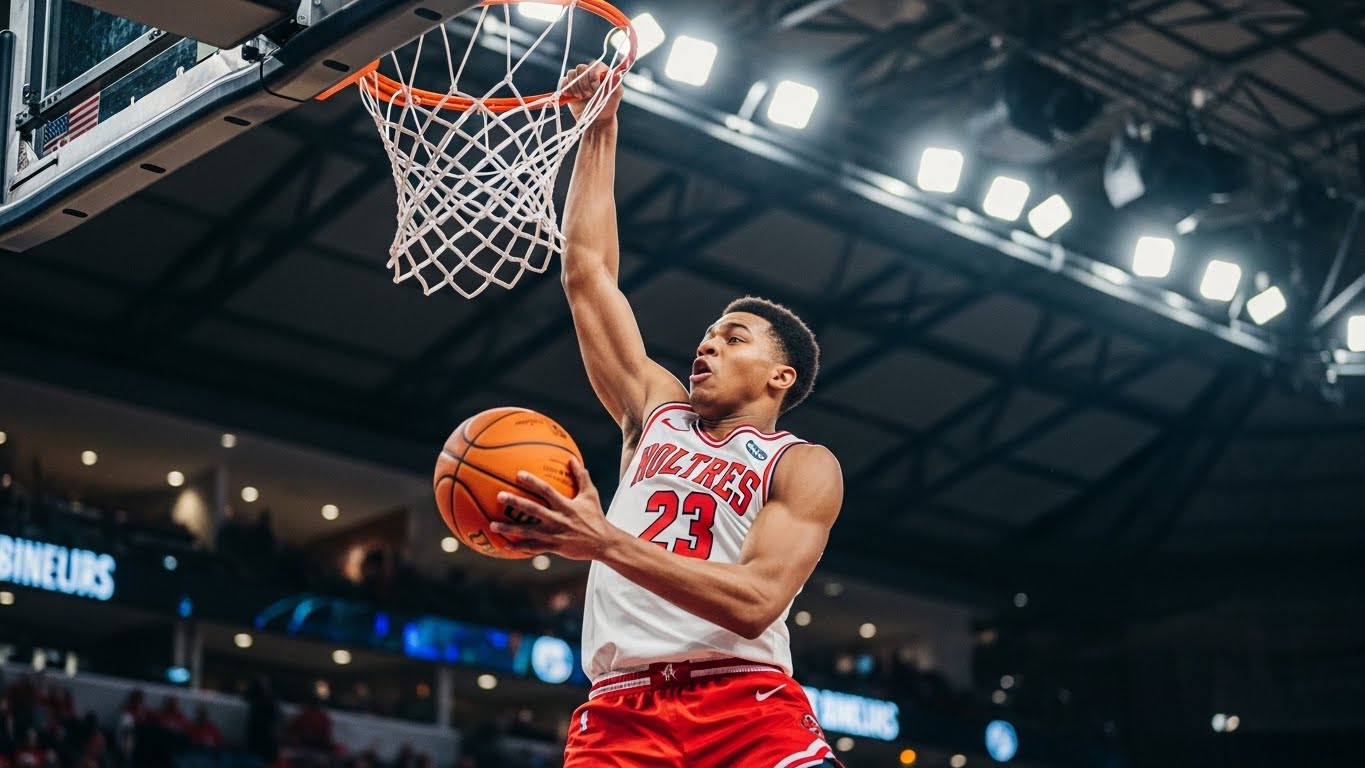

Sports have been an integral part of human civilization for thousands of years, transcending cultures, geography, and generations. From ancient Olympic games in Greece to modern global competitions like the FIFA World Cup and the Olympics, sports have provided a platform for entertainment, personal growth, physical health, and social interaction. But sports are not just about winning or losing; they embody values such as discipline, teamwork, perseverance, and fair play. This article explores the multifaceted world of sports, examining their history, types, benefits, and their impact on society.
The History of Sports
The origins of sports date back to ancient civilizations, where physical activity was often intertwined with religious rituals, military training, and entertainment. Ancient Greeks are renowned for developing the Olympic Games around 776 BCE, which celebrated athletic excellence and honored the gods. Similarly, ancient Egyptians engaged in sports such as swimming, archery, and wrestling, which helped prepare them for both physical survival and social entertainment.
Over time, sports evolved to reflect cultural values and societal progress. In the Middle Ages, jousting and horseback riding were popular among European nobility, while folk games and physical contests were common among peasants. The 19th and 20th centuries saw the formalization of sports rules and the establishment of organized competitions, leagues, and international tournaments, laying the foundation for the modern sports landscape.
Types of Sports
Sports can be broadly categorized based on the type of physical activity, equipment involved, or the nature of competition. Understanding the different types of sports helps appreciate the diversity and the opportunities they provide for participants of all ages and abilities.
Team Sports
Team sports involve coordinated efforts of multiple players working toward a common goal. They emphasize collaboration, strategy, and communication. Examples include football, basketball, cricket, hockey, and volleyball. These sports often build social bonds, foster a sense of community, and teach individuals how to work in harmony with others.
Individual Sports
Individual sports focus on personal performance, discipline, and self-improvement. Athletes in these sports rely primarily on their own skills, techniques, and mental focus. Popular individual sports include tennis, athletics, swimming, gymnastics, and martial arts. These sports often encourage personal accountability and self-motivation.
Adventure and Extreme Sports
Adventure and extreme sports cater to thrill-seekers and those looking to challenge their physical and mental limits. These activities often take place in natural environments and include sports like rock climbing, mountain biking, skydiving, surfing, and paragliding. While they require rigorous training and caution, extreme sports also enhance resilience, courage, and decision-making under pressure.
Combat Sports
Combat sports test an athlete’s strength, agility, and tactical skill against an opponent. These include boxing, wrestling, judo, karate, and mixed martial arts. Combat sports are highly disciplined, emphasizing respect for opponents, strategic thinking, and mental fortitude alongside physical prowess.
Mind and Skill-Based Sports
Some sports require more intellectual engagement, strategy, or precision rather than raw physical strength. Chess, archery, shooting, and e-sports are examples of such activities. While they may not involve intense physical exertion, they stimulate cognitive abilities, focus, and decision-making skills.
The Physical Benefits of Sports
Engaging in sports offers a wide range of physical health benefits. Regular physical activity improves cardiovascular fitness, strengthens muscles and bones, enhances flexibility, and boosts endurance. It also helps maintain a healthy weight, reduces the risk of chronic diseases like diabetes, heart disease, and obesity, and improves overall physical stamina. Sports also encourage better sleep patterns and energy levels, contributing to a healthier lifestyle.
Enhancing Motor Skills and Coordination
Sports demand precise movements, hand-eye coordination, and spatial awareness. Activities such as football, basketball, or tennis improve reflexes, balance, and coordination, which are valuable for daily life and other physical activities.
Boosting Immune System
Regular participation in moderate-intensity sports helps strengthen the immune system. Physical activity enhances circulation, reduces inflammation, and improves the body’s ability to fight off infections.
The Mental and Psychological Benefits of Sports
Sports are not just physical activities; they have profound effects on mental and emotional well-being. Participation in sports can reduce stress, anxiety, and depression, improve mood, and increase self-esteem. Physical activity stimulates the release of endorphins, which are natural mood lifters, and promotes mental resilience.
Building Discipline and Focus
Sports demand regular practice, adherence to rules, and strategic thinking. This helps athletes develop discipline, time management, and focus, which are transferable to academic, professional, and personal aspects of life.
Promoting Social Interaction and Teamwork
Team sports and group activities foster social connections, communication skills, and empathy. Athletes learn how to cooperate, resolve conflicts, and motivate each other toward common objectives. These skills are valuable in every area of life.
Developing Emotional Resilience
Sports teach athletes how to handle both victories and defeats gracefully. The experience of overcoming challenges, coping with pressure, and learning from mistakes builds emotional resilience, which is essential for mental strength and personal growth.
Sports and Society
Sports play a significant role in shaping culture, community, and national identity. They bring people together, celebrate diversity, and serve as a platform for social change. Sporting events often transcend political, economic, and cultural boundaries, uniting spectators and participants in shared experiences.
Fostering National Pride
International competitions like the Olympics or World Cups create a sense of national pride and unity. Athletes representing their countries often become symbols of inspiration and role models for younger generations.
Encouraging Youth Development
Sports provide young people with constructive avenues to channel their energy, learn valuable life skills, and build confidence. Participation in sports at a young age promotes healthy habits, leadership skills, and teamwork.
Promoting Inclusivity and Equality
Sports can act as a powerful force for promoting inclusivity and equality. Adaptive sports for individuals with disabilities, women’s leagues, and grassroots programs ensure that everyone has an opportunity to participate, regardless of physical ability, gender, or social background.
Popular Sports Around the World
Different regions of the world have distinct sports traditions, influenced by culture, climate, and history. Some sports enjoy global popularity, while others remain region-specific.
Football (Soccer)
Football is the world’s most popular sport, played and watched by millions across continents. It requires minimal equipment, making it accessible to people from all backgrounds. International tournaments like the FIFA World Cup capture the attention of billions, highlighting the universal appeal of the sport.
Cricket
Cricket is a major sport in countries like India, England, Australia, and Pakistan. Known for its strategic depth and long-duration matches, cricket combines skill, patience, and teamwork. Events like the ICC Cricket World Cup generate immense excitement and national fervor.
Basketball
Basketball has gained immense popularity globally, particularly in the United States, where the NBA showcases the highest level of professional play. The sport emphasizes agility, teamwork, and precision, and it has inspired countless youth programs worldwide.
Tennis
Tennis is both a competitive and recreational sport that appeals to individuals across age groups. With major tournaments like Wimbledon and the US Open, tennis celebrates athleticism, strategy, and mental toughness.
Athletics
Athletics, encompassing running, jumping, and throwing events, is fundamental to sports history. Track and field competitions test raw physical ability, stamina, and precision, often forming the centerpiece of global sporting events like the Olympics.
Challenges in Sports
Despite its many benefits, sports also face challenges that affect participation, fairness, and sustainability. These challenges include issues such as doping, commercialization, gender inequality, and the physical risks of injury.
Doping and Unethical Practices
The use of performance-enhancing drugs undermines the integrity of sports and poses serious health risks to athletes. Governing bodies and anti-doping agencies continually work to prevent such practices and ensure fair competition.
Commercialization and Pressure
While commercialization has brought financial growth and global recognition to sports, it also introduces immense pressure on athletes to perform. Excessive focus on sponsorships, endorsements, and media attention can sometimes overshadow the true spirit of sportsmanship.
Physical Risks and Injuries
Sports involve physical exertion, which carries inherent risks. Injuries, if not properly managed, can have long-term consequences. Emphasis on proper training, protective equipment, and medical support is crucial for athlete safety.
Inclusivity and Accessibility
Not everyone has equal access to sports due to economic, social, or physical barriers. Encouraging grassroots programs, adaptive sports, and community-based initiatives is essential to make sports accessible to all.
The Future of Sports
The world of sports continues to evolve with technology, innovation, and changing social dynamics. Digital platforms, e-sports, wearable fitness technology, and data analytics are transforming how sports are played, watched, and analyzed. Virtual training tools, advanced performance tracking, and global broadcasting have expanded access and engagement with sports like never before.
Moreover, the growing awareness of mental health and athlete welfare is shaping policies to ensure that sports remain a positive force in society. Inclusivity, sustainability, and ethical practices are becoming central to the future of sports, ensuring that they continue to inspire, educate, and unite people worldwide.
Conclusion
Sports are far more than mere games or competitions; they are a reflection of human aspiration, perseverance, and community. From promoting physical fitness and mental well-being to fostering social bonds and national pride, the impact of sports is profound and far-reaching. As the world continues to evolve, sports will remain a vital aspect of culture, education, and personal development. Whether one participates actively, cheers from the sidelines, or studies the strategic intricacies of the game, sports offer a universal language of passion, dedication, and achievement that connects humanity across time and space.