Introduction
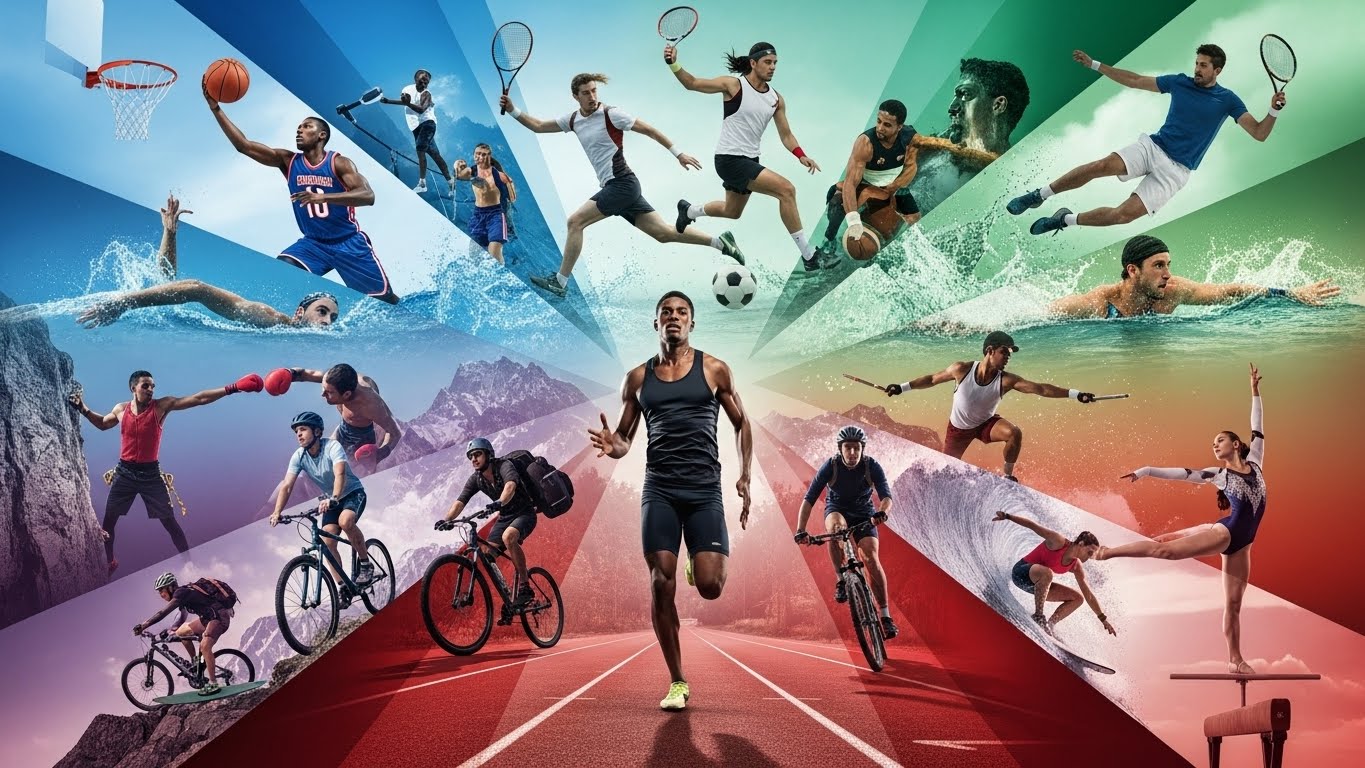
Sports have been an essential part of human culture for centuries, transcending mere competition to influence society, health, and global culture. From ancient Olympic games to modern professional leagues, sports have evolved to reflect human creativity, physical prowess, and social interaction. While often celebrated for athletic achievement, sports also promote teamwork, discipline, and personal growth. Today, sports are more than games; they are a cultural phenomenon, an economic powerhouse, and a unifying force that connects people across nations and generations.
The Evolution of Sports
Sports have a long and fascinating history, evolving alongside human civilization. In ancient times, physical contests were often linked to rituals, religious ceremonies, and military training. The Olympic Games of ancient Greece celebrated athletic excellence and civic pride, laying the foundation for organized competition. During the medieval and early modern periods, local games and tournaments became popular, reflecting cultural traditions and social hierarchies. The 19th and 20th centuries saw the emergence of modern sports, including football, basketball, and cricket, alongside the development of standardized rules, formal leagues, and international competitions. Advances in technology, transportation, and media have further transformed sports, turning them into global spectacles with mass audiences.
The Role of Sports in Society
Sports play a vital role in shaping society, promoting values such as teamwork, perseverance, and fair play. They serve as a platform for cultural expression and social interaction, bringing communities together through shared experiences. Sports also inspire youth, encouraging healthy lifestyles and instilling discipline and goal-setting skills. On a broader scale, major sporting events like the Olympics and FIFA World Cup foster international unity and cross-cultural understanding. Sports can also raise awareness for social causes, with athletes using their platforms to advocate for equality, environmental sustainability, and humanitarian efforts. The societal impact of sports extends far beyond the playing field, influencing values, identity, and social cohesion.
Popular Sports and Their Global Influence
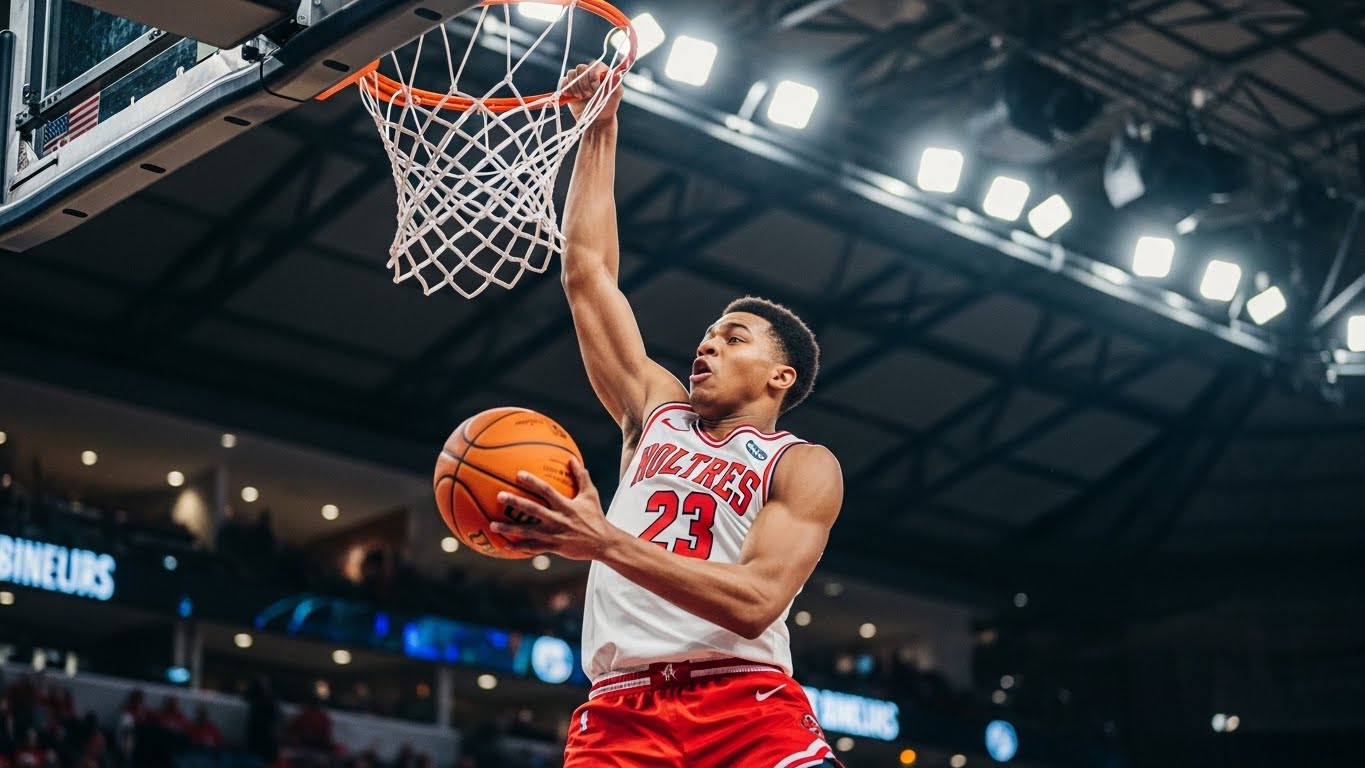
Sports vary widely in popularity across regions, each carrying cultural significance. Football, or soccer, dominates much of the world, with billions of fans and major international competitions. Basketball has gained a global following, fueled by professional leagues, international tournaments, and iconic athletes. Cricket enjoys immense popularity in South Asia, Australia, and parts of the UK, reflecting regional passion and tradition. Tennis, athletics, and swimming attract worldwide attention during major international events. Each sport contributes uniquely to culture, shaping fan communities, media narratives, and national pride. Their global influence highlights the universality of sports as a form of entertainment, identity, and social engagement.
The Impact of Technology on Sports
Technology has transformed sports in multiple dimensions, from performance enhancement to fan engagement. Athletes now have access to advanced training equipment, wearable devices, and performance analytics that optimize physical capabilities and reduce injury risks. Video replay systems, goal-line technology, and digital officiating tools have improved fairness and accuracy in competitions. For fans, digital media, streaming platforms, and interactive apps provide instant access to scores, highlights, and live events, making sports more accessible than ever. Social media platforms amplify athlete voices, engage global audiences, and create communities around teams and events. The integration of technology ensures that sports remain dynamic, engaging, and increasingly connected to modern lifestyles.
Health and Fitness Benefits of Sports
Participating in sports provides numerous physical and mental health benefits. Regular activity improves cardiovascular health, strengthens muscles and bones, and enhances flexibility and coordination. Sports also support mental well-being by reducing stress, boosting mood, and promoting focus and cognitive skills. Team sports cultivate communication, leadership, and problem-solving abilities, while individual sports enhance self-discipline and personal accountability. For children and youth, sports encourage healthy habits, social interaction, and emotional development. Across all age groups, sports contribute to longevity, quality of life, and overall wellness, making them an essential aspect of personal and societal health.
Economic Impact of Sports
The sports industry is a major contributor to the global economy. Professional leagues, tournaments, and international competitions generate billions in revenue through ticket sales, broadcasting rights, sponsorships, and merchandising. Sports tourism, including attendance at major events and visits to stadiums or training facilities, stimulates local economies. The industry also supports numerous jobs in coaching, management, marketing, media production, and equipment manufacturing. Investment in sports infrastructure, such as stadiums and training centers, drives urban development and technological innovation. Beyond entertainment, sports have become a significant economic engine, influencing employment, commerce, and technological progress.
The Rise of Esports and Digital Competition
While traditional sports continue to thrive, digital and virtual sports have emerged as a significant segment of modern competition. Esports, or competitive video gaming, attracts millions of players and viewers worldwide, creating professional leagues, tournaments, and streaming platforms. Although distinct from physical sports, esports mirrors many aspects of traditional competition, including strategy, teamwork, and fan engagement. Its rapid growth highlights the evolving nature of sports in the digital age, offering new forms of entertainment, career opportunities, and community engagement. The integration of digital platforms ensures that sports continue to evolve with changing audience preferences and technological innovation.
Women in Sports
The participation of women in sports has grown significantly, challenging traditional gender norms and promoting inclusivity. Female athletes now compete at the highest levels in virtually every sport, achieving global recognition and inspiring future generations. Women’s sports leagues and tournaments have gained popularity, media coverage, and sponsorship, highlighting the importance of representation and equity. Programs that encourage female participation in sports, from grassroots initiatives to professional development, contribute to social progress, empowerment, and cultural change. The rise of women in sports demonstrates the potential for inclusivity to transform both athletic performance and societal perception.
Sports and Social Connectivity
Sports foster social connection and community building. Attending live events, participating in local leagues, or supporting a favorite team creates shared experiences that strengthen relationships and social cohesion. Fan culture, including chants, rituals, and digital communities, enhances engagement and belonging. Sports also serve as a platform for networking, mentorship, and cross-cultural interaction. They encourage dialogue, cooperation, and mutual respect, both on and off the field. In an increasingly digital world, sports continue to unite people, bridging gaps across age, culture, and geography.
Challenges Facing the Sports Industry
Despite its global appeal, the sports industry faces challenges that require careful attention. Doping, corruption, and match-fixing threaten the integrity of competitions. Injuries and health risks remain concerns for athletes, particularly in high-impact or contact sports. Financial sustainability and equitable access to sports facilities and programs are ongoing issues in many regions. Media pressure, commercialization, and fan expectations can create stress and ethical dilemmas for athletes and organizations. Addressing these challenges is essential to maintaining trust, fairness, and inclusivity, ensuring the long-term sustainability of sports worldwide.
The Cultural Influence of Sports
Sports shape culture by influencing fashion, language, media, and social values. Iconic athletes become role models, inspiring individuals and shaping societal perceptions of discipline, dedication, and excellence. Major sporting events, such as the Olympics or World Cups, transcend competition, becoming celebrations of cultural diversity, national pride, and global unity. Sports narratives in media, literature, and film often reflect societal aspirations and challenges, contributing to cultural storytelling. The cultural impact of sports extends beyond entertainment, affecting identity, creativity, and social dynamics on local and global scales.
The Future of Sports
The future of sports promises continued innovation, inclusivity, and global engagement. Technological advancements, including virtual reality, data analytics, and wearable devices, will enhance training, performance, and fan experiences. The growth of women’s sports and adaptive sports for people with disabilities will promote equity and accessibility. Digital platforms and streaming services will expand audiences and create new forms of interaction. Sustainability initiatives, ethical governance, and health-focused programs will shape the responsible development of sports. The fusion of technology, culture, and community ensures that sports will continue to evolve, remaining a central part of human life in the digital era.
Conclusion
Sports are far more than games; they are a reflection of society, culture, and human potential. They promote physical health, mental well-being, social connection, and economic growth. From traditional athletic competitions to digital esports, sports continue to captivate, inspire, and unite people worldwide. They foster values such as teamwork, perseverance, and fair play, while also influencing culture, media, and identity. As technology and inclusivity continue to shape the landscape, sports will remain a powerful and enduring force, connecting individuals and communities while celebrating the essence of human achievement.