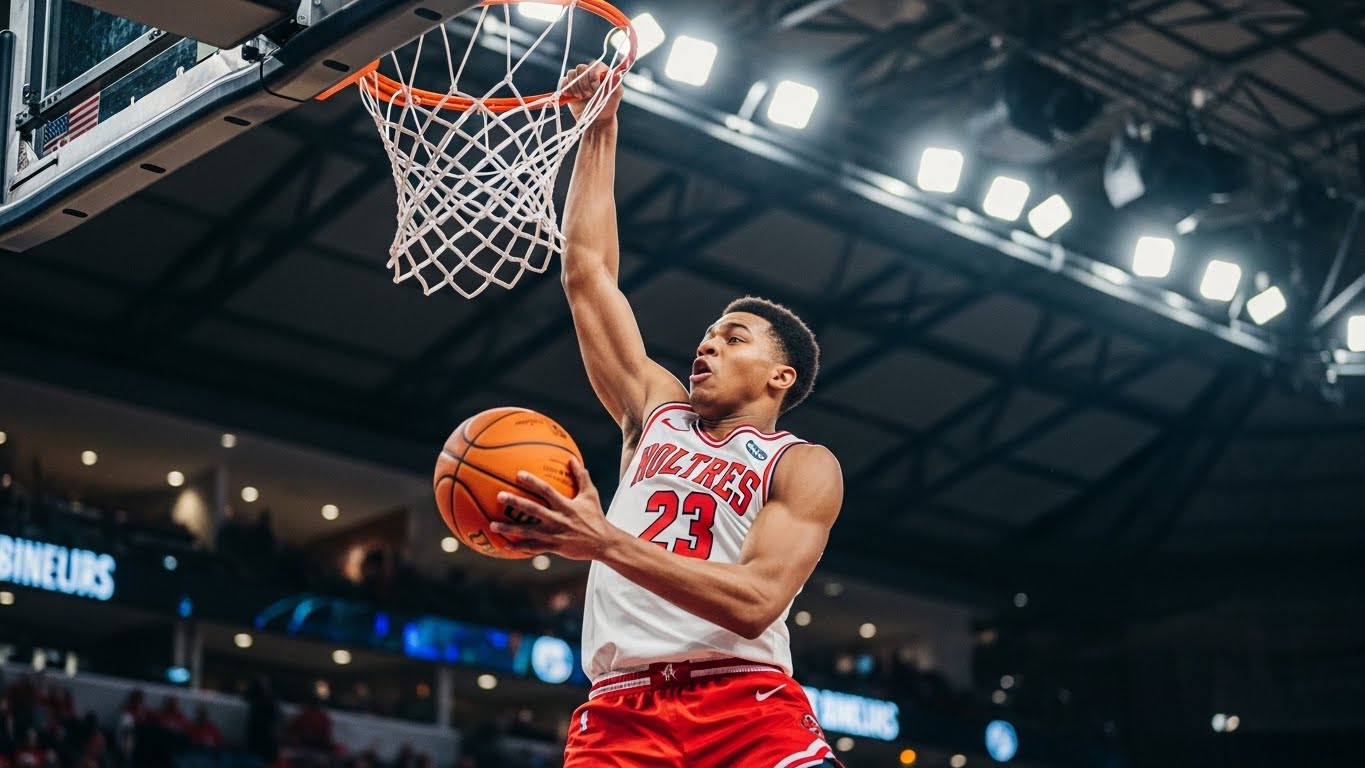
Sports have been an inseparable part of human civilization for thousands of years. From ancient Olympic Games in Greece to modern-day global tournaments, sports have united cultures, inspired individuals, and transformed societies. Whether it is the roar of the crowd in a football stadium, the calm focus of a tennis player before a serve, or the determination of a marathon runner crossing the finish line, sports capture the essence of human spirit—discipline, teamwork, competition, and resilience. This blog explores the vast and dynamic world of sports, its history, significance, influence, and the values it instills in our daily lives.
The Origins and Evolution of Sports
The history of sports dates back to prehistoric times when physical activities were part of survival. Early humans engaged in running, wrestling, hunting, and throwing objects for both sustenance and recreation. Archaeological evidence from ancient civilizations reveals that sports were integral to culture and social structure.
In ancient Egypt, people played ball games and participated in swimming and archery. The Greeks formalized competition through the Olympic Games, which began around 776 BCE in Olympia. These games celebrated physical excellence and honored the gods, particularly Zeus. Events such as chariot racing, wrestling, and discus throwing became legendary and are still recognized today.
The Romans, influenced by the Greeks, introduced gladiator contests and other spectacles that combined sport with entertainment. In medieval Europe, tournaments and jousting became popular among knights as demonstrations of courage and skill.
By the nineteenth century, sports underwent formal organization. Rules, associations, and leagues emerged, transforming local activities into structured competitions. The Industrial Revolution allowed more leisure time, and mass participation in sports grew rapidly. This period saw the birth of many modern sports, including football, cricket, rugby, and basketball.
The Universal Language of Sports
Sports transcend barriers of language, religion, and nationality. They offer a universal language of competition and camaraderie that connects people worldwide. The excitement of a World Cup, the pride of an Olympic medal, or the unity created by a city’s local team shows how sports can bridge cultural and social gaps.
International events such as the Olympics, FIFA World Cup, and Commonwealth Games embody this unity. Athletes from diverse nations compete not only for victory but also for mutual respect and peace. When a runner from one country embraces a competitor from another after a race, it demonstrates that sports are more than competition—they are a shared human experience.
The Role of Sports in Society
Sports play a vital role in shaping society. They promote physical fitness, mental well-being, and emotional balance. In schools and communities, sports teach teamwork, leadership, and discipline. They provide a healthy outlet for energy, reduce stress, and encourage social interaction.
Moreover, sports have become powerful tools for social change. Programs that promote gender equality, inclusivity, and youth empowerment use sports as a medium to inspire transformation. Famous athletes often serve as role models, using their platforms to speak about issues such as poverty, racism, and mental health.
Economic impact is another major aspect. Sports contribute significantly to national economies through tourism, broadcasting, and sponsorship. Cities hosting international events experience growth in infrastructure, business, and cultural exposure.
The Mental and Emotional Benefits of Sports
Beyond physical health, sports greatly influence mental well-being. Participating in sports releases endorphins, the body’s natural stress relievers, creating a sense of happiness and satisfaction. Regular physical activity improves concentration, confidence, and resilience.
Team sports foster cooperation, communication, and empathy. Athletes learn to trust teammates, handle pressure, and manage victory or defeat with grace. Individual sports like running, swimming, or martial arts encourage self-discipline and focus.
In an age of technology and sedentary lifestyles, sports offer an essential escape. They remind people of the importance of balance between body and mind. Whether one is playing on the field or watching from the stands, sports evoke emotions that few other activities can match.
The Influence of Technology on Modern Sports
The modern world has witnessed a technological revolution in sports. Advanced equipment, data analytics, and performance tracking have transformed how athletes train and compete. Coaches now use video analysis, motion sensors, and AI-based strategies to improve techniques and prevent injuries.
Technology has also reshaped how audiences experience sports. High-definition broadcasts, instant replays, and virtual reality have brought fans closer to the action. Social media platforms allow athletes to connect directly with millions of followers, turning them into global icons.
Additionally, innovations in sports medicine and nutrition have extended athletic careers. From wearable fitness trackers to recovery therapies, technology continues to redefine the boundaries of human potential.
The Spirit of Competition and Sportsmanship
At the heart of every sport lies competition, but true greatness emerges through sportsmanship. Winning is celebrated, but the spirit of fair play, respect, and integrity defines the essence of sports. Athletes who show humility in victory and grace in defeat inspire admiration beyond medals and trophies.
Great moments in sports history often involve acts of kindness rather than triumphs. When an athlete helps a fallen rival or acknowledges an opponent’s excellence, it highlights the values that make sports meaningful.
This spirit of sportsmanship extends to fans as well. Supporting one’s team passionately while respecting opponents maintains the integrity of competition. Sports remind us that rivalry can coexist with respect.
Women in Sports: Breaking Barriers and Inspiring Generations
For centuries, women faced restrictions in the world of sports, often excluded from participation or recognition. However, the twentieth century marked a powerful shift as women began breaking barriers and proving their excellence.
Icons such as Serena Williams, Billie Jean King, Simone Biles, and Mia Hamm have changed perceptions and inspired millions. Women’s tournaments now receive global attention, and female athletes are recognized as equals in strength, skill, and determination.
The progress is ongoing. More nations now support women’s sports through funding, facilities, and media coverage. Girls who once faced limited opportunities can now dream of competing on the world stage. The success of women in sports is not just an athletic achievement—it is a triumph for equality and empowerment.
Sports and Youth Development
For children and teenagers, sports are powerful tools for growth and education. They teach time management, perseverance, and respect for rules. Young athletes learn to set goals, handle pressure, and overcome obstacles.
Sports also encourage healthy lifestyles, reducing the risk of obesity and related diseases. In schools, physical education is essential not only for fitness but for character building. Team activities promote social skills and reduce feelings of isolation, especially in a digital age where screen time dominates.
Community sports programs give youth a sense of belonging and purpose. Many successful athletes started in humble local clubs, driven by passion rather than fame. Such stories inspire future generations to chase their dreams with dedication.
Economic and Cultural Impact of Sports
Sports are not just games—they are global industries. Major tournaments generate billions in revenue through ticket sales, merchandising, advertising, and broadcasting. Cities that host mega-events like the Olympics or World Cup often see increased tourism and long-term economic benefits.
Beyond economics, sports shape national identity. Victories on the international stage bring pride and unity to nations. Athletes become cultural ambassadors, representing their country’s values and traditions.
Sports also influence fashion, entertainment, and language. Phrases like “home run,” “slam dunk,” or “goal” have entered everyday speech. Sporting achievements often inspire films, books, and art, highlighting their cultural importance.
Challenges and Controversies in Sports
While sports promote positivity, they also face challenges. Issues such as doping, corruption, and discrimination threaten their integrity. The pressure to win sometimes leads athletes to take unethical shortcuts, undermining the spirit of fair play.
Another concern is commercialization. With enormous sums involved, the essence of sportsmanship can be overshadowed by profit motives. Ticket prices, sponsorship deals, and media rights sometimes place business above passion.
Mental health challenges are increasingly acknowledged as well. Athletes, despite fame and success, often struggle with stress, anxiety, and public scrutiny. The conversation around athlete well-being is growing, encouraging organizations to provide psychological support alongside physical training.
The Future of Sports
The future of sports promises to be even more exciting and inclusive. Esports, or competitive video gaming, has emerged as a major phenomenon, attracting millions of players and spectators worldwide. Traditional sports continue to evolve through innovation and technology.
Sustainability is becoming a priority. Major sporting organizations are adopting eco-friendly practices to reduce their environmental impact. From using renewable energy in stadiums to promoting recycling, the sports world is embracing responsibility toward the planet.
Inclusivity is also expanding. Adaptive sports for people with disabilities have gained prominence through events like the Paralympics. These competitions showcase the determination and skill of athletes who overcome physical challenges to achieve greatness.
The Power of Inspiration: Sports Heroes and Legends
Sports are defined by their heroes—individuals whose achievements transcend the boundaries of the game. Legends like Muhammad Ali, Pelé, Michael Jordan, and Usain Bolt have left legacies that go beyond records. They symbolize courage, hard work, and the pursuit of excellence.
Every generation produces new icons who inspire millions. Whether it is a footballer scoring a decisive goal or a gymnast defying gravity, their performances remind us of what human beings can accomplish with determination and faith.
The beauty of sports lies in their unpredictability. Every match, race, or contest carries the potential for history to be made. The underdog’s victory, the comeback after injury, or the emotional farewell of a retiring champion—these moments stay etched in collective memory.
Conclusion: Why Sports Matter
Sports are far more than physical contests. They are celebrations of life, resilience, and unity. They teach values that extend beyond the field—teamwork, respect, perseverance, and integrity. In victory and defeat alike, sports reflect the journey of humanity itself: striving for excellence, learning from setbacks, and always moving forward.
In a world often divided by politics, race, or ideology, sports stand as a reminder that we can compete fiercely yet coexist peacefully. Every game played, every medal won, and every fan cheering in the stands contributes to a global story of hope, ambition, and connection.
From playgrounds to professional arenas, sports continue to inspire generations, shape identities, and build bridges across cultures. They remind us that greatness is not only about winning but about participating with heart, honor, and passion.