Introduction: The Essence of Sports in Human Life
Sports have always been more than just games or competitions; they are a mirror of human endurance, teamwork, and the will to push beyond limits. Across centuries and civilizations, sports have evolved from simple recreational activities into global spectacles that inspire millions. They have the power to unite nations, ignite emotions, and cultivate values such as discipline, integrity, and respect. Whether it is the excitement of a football match, the elegance of a tennis rally, or the endurance of a marathon, sports embody the purest form of human potential.
Sports are not only about physical excellence but also mental resilience. They challenge the body and the mind, pushing individuals to grow stronger with every victory and learn from every defeat. From ancient arenas to modern stadiums, the spirit of competition has remained the same—an expression of the unyielding human desire to be better, faster, and stronger.
The Historical Journey of Sports
The history of sports stretches back to the dawn of civilization. In ancient Greece, the Olympic Games were held to honor the gods, where athletes competed in running, wrestling, and discus throwing. These events celebrated not just athletic skill but also spiritual and cultural values. The Romans later adopted similar traditions, introducing gladiatorial games that combined athleticism with spectacle.
In medieval Europe, jousting tournaments and archery contests became popular among knights and nobles, symbolizing bravery and skill. Meanwhile, indigenous peoples across the world had their own forms of competition—from Mesoamerican ball games to African wrestling traditions. Each culture’s sporting practices reflected its values, beliefs, and social structures.
The modern era of sports began in the 19th century with the standardization of rules and the rise of organized competitions. The re-establishment of the Olympic Games in 1896 marked a new chapter, transforming sports into an international movement that transcended borders. Since then, sports have continued to evolve, driven by technology, globalization, and the shared passion of humanity.
The Universal Appeal of Sports
Sports are a universal language understood by all, regardless of age, gender, or nationality. A goal scored in a soccer game or a home run hit in baseball evokes the same thrill across the world. This universality makes sports one of the most powerful tools for social connection. They bring people together, fostering community and shared experiences.
From local neighborhood games to international tournaments, sports serve as a common ground where people celebrate achievement and resilience. They promote inclusivity, offering opportunities to individuals from all walks of life. The roar of a stadium filled with cheering fans reflects the collective heartbeat of humanity—an emotional symphony that unites strangers under the same banner of hope and excitement.
The Role of Sports in Physical and Mental Health
One of the most profound benefits of sports lies in their ability to enhance physical and mental well-being. Regular participation in sports improves cardiovascular health, strengthens muscles, enhances flexibility, and boosts endurance. More importantly, sports instill habits of discipline and consistency, essential for maintaining a healthy lifestyle.
On the psychological front, sports play a crucial role in stress reduction and mental resilience. Engaging in physical activity releases endorphins, the body’s natural mood enhancers. Team sports, in particular, foster communication, cooperation, and leadership skills. For children and adolescents, sports build confidence and teach valuable life lessons about perseverance, teamwork, and handling success and failure with grace.
In modern times, as sedentary lifestyles and digital distractions increase, sports offer a much-needed outlet to restore balance. They serve as a reminder that movement, energy, and human connection are vital elements of a fulfilling life.
The Evolution of Major Sports Around the World
Sports have evolved uniquely across continents, reflecting cultural diversity and local traditions. In Europe, football reigns supreme, with leagues like the English Premier League and La Liga capturing global audiences. In North America, basketball, baseball, and American football dominate, blending athleticism with entertainment. Asia has seen rapid growth in cricket, badminton, and table tennis, while Africa continues to produce some of the most talented long-distance runners in history.
Each sport carries its own identity, rituals, and legends. Cricket, for instance, represents strategy and patience; basketball emphasizes speed and creativity; and athletics embodies pure physical prowess. The diversity of sports allows individuals to find their niche—whether it is the artistry of figure skating, the focus of archery, or the power of boxing.
Technological advancements have also revolutionized how sports are played and watched. Innovations such as instant replay, performance analytics, and advanced equipment have raised the standard of competition. Athletes now train with scientific precision, using data-driven methods to maximize their potential.
The Economic and Social Impact of Sports
Beyond entertainment, sports have immense economic and social influence. Major sporting events such as the Olympics, the FIFA World Cup, and the Super Bowl generate billions of dollars in revenue, creating jobs and stimulating local economies. Sports industries encompass apparel, broadcasting, sponsorships, and tourism, making them vital components of global commerce.
Socially, sports contribute to community development and social inclusion. Grassroots programs and youth leagues provide opportunities for education and empowerment, especially in underprivileged areas. Many athletes use their platforms to advocate for social justice, equality, and environmental sustainability. Sports have the power to inspire change, bridging gaps between cultures and promoting peace and understanding.
The Psychological Strength Behind Great Athletes
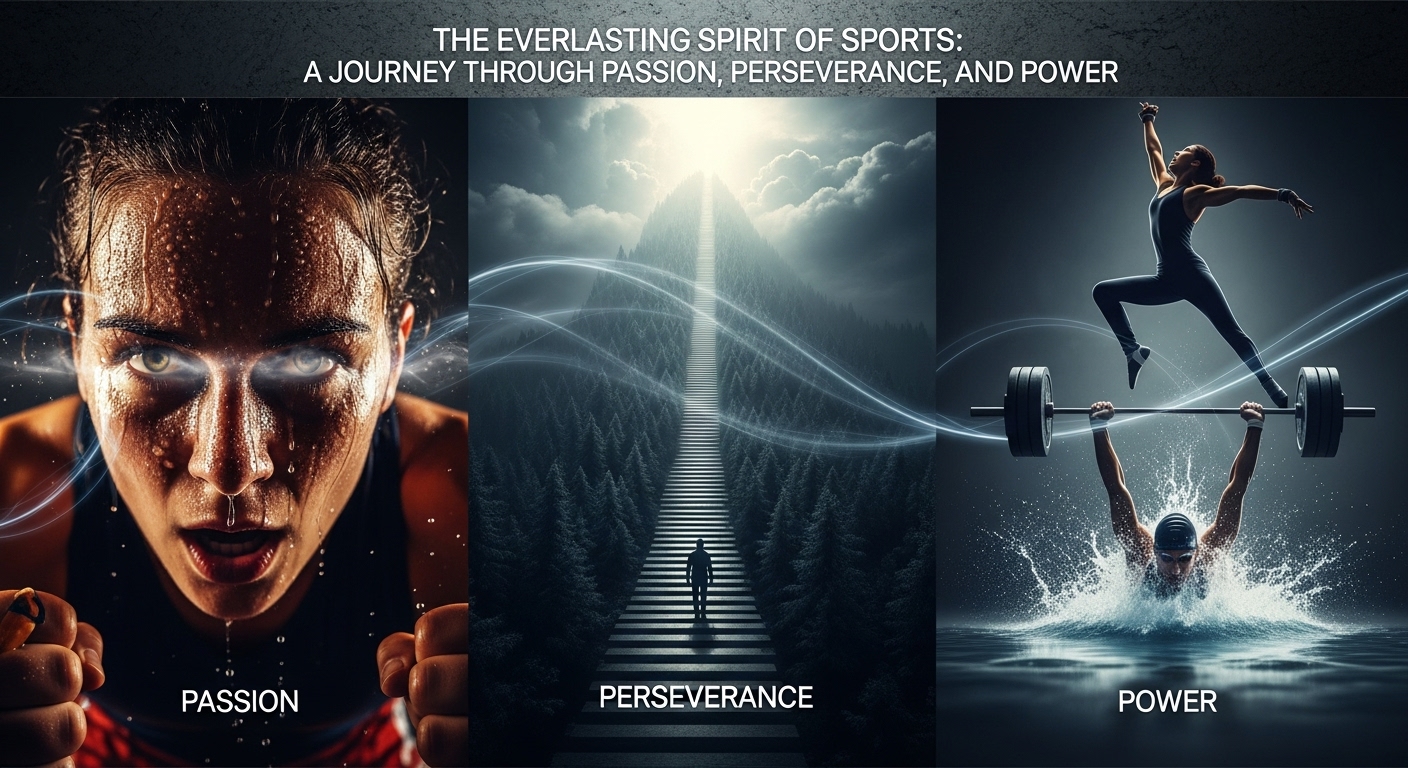
Behind every great athlete lies an extraordinary story of perseverance, sacrifice, and mental strength. Champions are not made by talent alone but by relentless dedication and the ability to overcome adversity. The mental aspect of sports often outweighs the physical. Athletes must learn to cope with pressure, manage expectations, and maintain focus even in the face of defeat.
Icons like Serena Williams, Cristiano Ronaldo, Usain Bolt, and Michael Jordan have shown that greatness comes from resilience and self-belief. Their journeys are testaments to the power of mindset. Each setback became a stepping stone toward success, and every victory a reminder of their inner strength. Sports psychology today plays a crucial role in helping athletes maintain mental balance, proving that success in sports is as much about emotional intelligence as it is about physical skill.
The Rise of Women in Sports
Historically, women faced numerous barriers in sports, often being excluded or underestimated. However, the 20th and 21st centuries have witnessed a remarkable transformation. From Billie Jean King’s fight for gender equality in tennis to modern icons like Simone Biles and Megan Rapinoe, women have redefined what it means to be an athlete.
Today, women’s sports enjoy growing recognition and support. Events such as the Women’s World Cup and the WNBA have gained massive audiences, proving that talent and passion know no gender. The rise of female athletes has inspired millions of young girls to pursue their dreams fearlessly. Equality in sports is no longer just a goal; it is an ongoing movement reshaping the future of competition.
Sports as a Tool for Education and Character Building
Sports teach values that go far beyond the playing field. They instill discipline, respect for rules, and the importance of teamwork. These lessons are essential not only for athletes but for individuals in every walk of life. Educational institutions around the world recognize this, integrating sports into their curricula to promote holistic development.
Through sports, children learn how to set goals, manage time, and handle both victory and defeat. They discover that success is not only about winning but about effort, persistence, and fair play. In a world where digital screens often dominate, sports offer real-life experiences that shape character and resilience.
Technology and the Future of Sports
The digital age has transformed sports into a high-tech spectacle. Data analytics, wearable technology, and artificial intelligence now play critical roles in athlete performance and fan engagement. Virtual reality training allows players to simulate game scenarios, while motion sensors track every movement to optimize training routines.
For fans, technology has made sports more accessible and interactive than ever. Live streaming, social media, and virtual fan experiences have created a global sports community where everyone can participate in real time. The future may even see further integration of esports, blending digital gaming with athletic competition.
While technology enhances performance and entertainment, it also raises ethical questions about fairness and authenticity. Balancing innovation with integrity will be one of the key challenges in the future of sports.
The Power of Sports in Uniting Nations
Few things in the world can unite people like sports. Throughout history, major tournaments have brought together nations that might otherwise be divided by politics or ideology. The Olympics, for example, symbolize peace and global cooperation. During the Cold War, sports served as a bridge between conflicting nations, proving that mutual respect could exist even amidst rivalry.
Sporting events foster patriotism while also promoting mutual admiration. When athletes from different countries shake hands after a match, they demonstrate the universal values of respect and sportsmanship. In this way, sports act as a diplomatic force—soft power that builds connections across borders.
Overcoming Challenges in Modern Sports
Despite its many benefits, the sports world faces significant challenges. Issues such as doping, corruption, commercialization, and mental health concerns among athletes continue to spark debate. The pressure to perform at elite levels can take a toll on athletes’ physical and emotional well-being. Ensuring their protection and promoting ethical standards are essential to preserving the integrity of sports.
Moreover, accessibility remains a concern. Not everyone has equal opportunities to participate due to financial or social barriers. Creating inclusive environments where everyone can play, regardless of background or ability, remains a key goal for the global sports community.
Sports and the Environment: A New Era of Responsibility
As awareness about climate change grows, the sports industry is also embracing sustainability. Major events are now incorporating eco-friendly practices, such as using renewable energy, reducing waste, and promoting green transportation. Athletes themselves are becoming advocates for environmental causes, recognizing that protecting the planet is vital for the future of sports.
Outdoor sports depend on natural environments—clean air, water, and open spaces. Therefore, sustainability in sports is not just a trend but a necessity. The next generation of athletes and fans must work together to ensure that sports continue to thrive in harmony with nature.
The Emotional Connection Between Fans and Sports
Fans are the lifeblood of sports. Their emotions, chants, and loyalty give energy to the athletes and meaning to the competition. Every stadium cheer, every heartbreak, and every celebration contributes to the story of the sport. For many, supporting a team or athlete becomes a lifelong passion, forming part of their identity.
Sports fandom goes beyond entertainment; it builds communities. Fans from different countries form bonds over shared love for a team. The excitement of watching a game, the anxiety of close finishes, and the joy of victory all contribute to the emotional power of sports. It reminds us that passion is what truly drives the human spirit.
The Next Generation: Youth and the Future of Sports
The future of sports lies in the hands of young athletes. Encouraging youth participation ensures the continuity of traditions and the discovery of new talents. Schools, clubs, and communities play a critical role in nurturing potential and fostering a love for physical activity.
In the digital era, where many young people spend hours on screens, sports offer balance and real-world engagement. They teach responsibility, teamwork, and perseverance—skills essential for success in life. Investing in youth sports programs is not only an investment in health but also in leadership and social development.
Conclusion: The Timeless Power of Sports
Sports are far more than physical contests; they are reflections of humanity’s highest values—determination, unity, and hope. From ancient arenas to modern stadiums, the essence of sports has remained unchanged: the pursuit of excellence and the joy of participation. They teach us how to win gracefully, lose honorably, and grow through every challenge.
In an ever-changing world, sports remain a constant source of inspiration. They remind us that no matter where we come from or what language we speak, the spirit of competition and camaraderie binds us together. Sports celebrate what it means to be human—resilient, passionate, and forever striving to be better than yesterday.