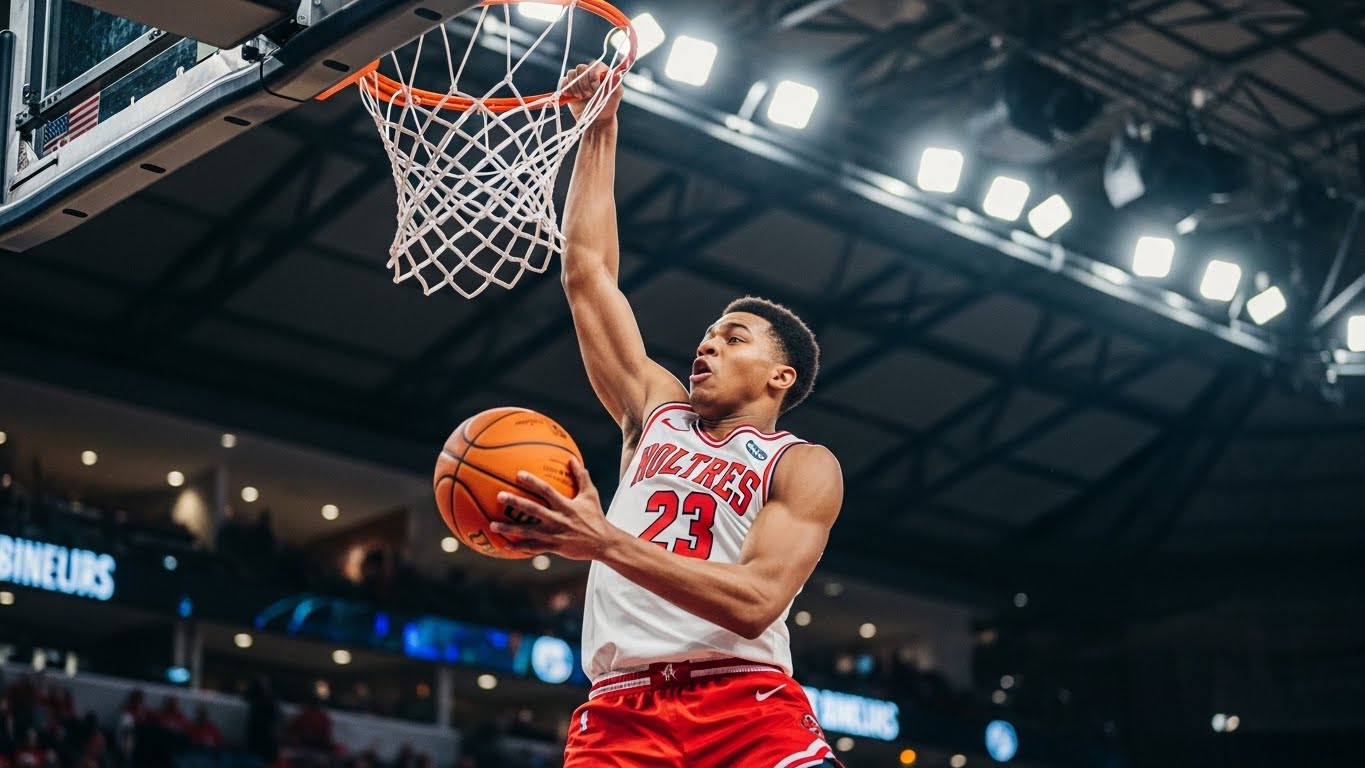
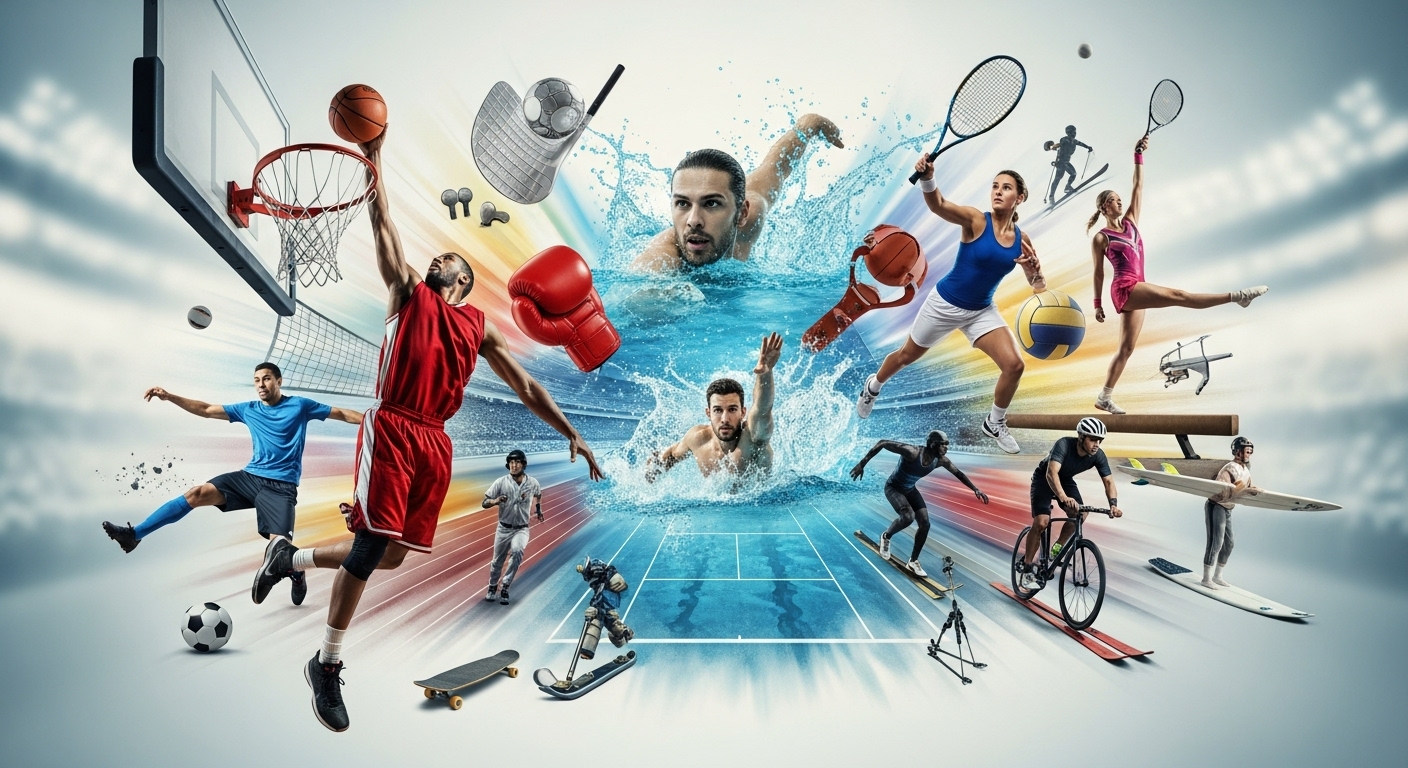
Sports have always held a special place in human culture. They bring people together, transcend borders, and create a sense of belonging. But the world of sports is not static. It is constantly evolving, driven by changes in technology, society, and human ambition. From ancient gladiatorial contests to the modern-day multi-million-dollar franchises, the sports industry has transformed in ways that were once unimaginable.
The Rise of Technology in Sports
One of the most profound changes in the world of sports has been the integration of technology. Gone are the days when athletes and coaches relied solely on instinct and traditional training methods. Today, technology has revolutionized every aspect of sports, from performance analysis to fan engagement.
Smartwear, such as fitness trackers, wearable cameras, and heart rate monitors, is enabling athletes to track their physical performance in real-time. Coaches use sophisticated data analytics tools to assess performance, design better training regimes, and even predict injuries before they happen. In addition, technologies like Virtual Reality (VR) and Augmented Reality (AR) are changing the way athletes train and fans experience games.
Sports Media: The Changing Face of Fan Engagement
Sports media has also seen a dramatic shift in recent years. With the advent of social media platforms, sports fans are no longer limited to traditional television broadcasts or newspapers for their updates. Instead, they can follow their favorite teams and athletes on Twitter, Instagram, and TikTok, giving them direct access to content, behind-the-scenes moments, and live updates.
This change has had a significant impact on the way sports are marketed and consumed. Instead of waiting for highlights on a sports network, fans can engage with live streams, instant commentary, and fan-generated content. This real-time connection has turned sports into a 24/7 experience, blurring the lines between professional athletes and their followers.
The Business of Sports: More Than Just Games
As sports have grown in popularity, so has their financial value. The sports industry today is a multi-billion-dollar business, encompassing everything from sponsorships and merchandising to media rights and player salaries. But with this growth comes new challenges, particularly around issues like player compensation, financial fairness, and the balance of power between team owners, players, and governing bodies.
Major leagues like the NFL, NBA, and Premier League have become global brands, expanding their reach far beyond national borders. Teams now have international fan bases, and athletes are not just playing for championships—they are also making lucrative deals with sponsors and businesses. This has led to a massive increase in player salaries, which in turn raises the stakes for every match and every season.
However, this growing commercialization of sports has its critics. Some argue that it is diluting the true spirit of the game, turning it into an entertainment product rather than a contest of skill and competition. Others point to the rising costs for fans who wish to attend games or purchase merchandise, which could alienate traditional supporters.
Inclusion and Diversity: A New Era in Sports
For much of history, sports have been a domain where only a select few could participate, based on gender, race, or social status. However, the past few decades have seen a significant push for inclusion and diversity in the sporting world. Women’s sports, for example, have gained massive popularity, with leagues like the WNBA and women’s soccer receiving more media attention and investment than ever before.
The fight for gender equality in sports is still ongoing, but the progress made thus far has been significant. The conversation around race, too, has evolved, with more athletes using their platforms to speak out against social injustice and push for systemic change. Athletes like Colin Kaepernick, Serena Williams, and LeBron James have used their positions to advocate for equality, human rights, and other important social issues, showing that sports can be a powerful tool for social change.
The Future of Sports: What’s Next?
As we look toward the future, the world of sports continues to evolve in ways that seem almost limitless. From the rise of esports to the growing influence of artificial intelligence in performance prediction, the possibilities are endless. Esports, in particular, has seen a meteoric rise, with millions of young people tuning in to watch professional gamers compete in tournaments that rival traditional sports in viewership and prize money.
Additionally, there are growing discussions around the environmental impact of sports. With large stadiums, frequent travel, and massive energy consumption, the sports industry is beginning to face increased pressure to adopt more sustainable practices. From eco-friendly venues to carbon offset initiatives, the future of sports could look very different as the industry adapts to the demands of the planet.
The lines between physical sports and virtual sports may also begin to blur as new forms of entertainment continue to emerge. Whether through virtual leagues, AI-driven competitions, or new types of immersive fan experiences, the boundaries of what we consider sports may continue to expand.
Conclusion: Sports as a Reflection of Society
At its core, sports have always been about pushing the limits of human potential. Whether it’s breaking a world record, scoring the winning goal, or overcoming personal obstacles, sports represent the drive for excellence and the thrill of competition. But as society changes, so too does the way we experience and participate in sports.
From technological advancements to greater inclusivity and diversity, sports are reflecting the broader shifts happening in the world. The future of sports looks bright, with innovation and creativity continuing to shape the way we play, watch, and engage with the games we love. Whether you’re an athlete, a fan, or a casual observer, there has never been a more exciting time to be a part of the sports world.