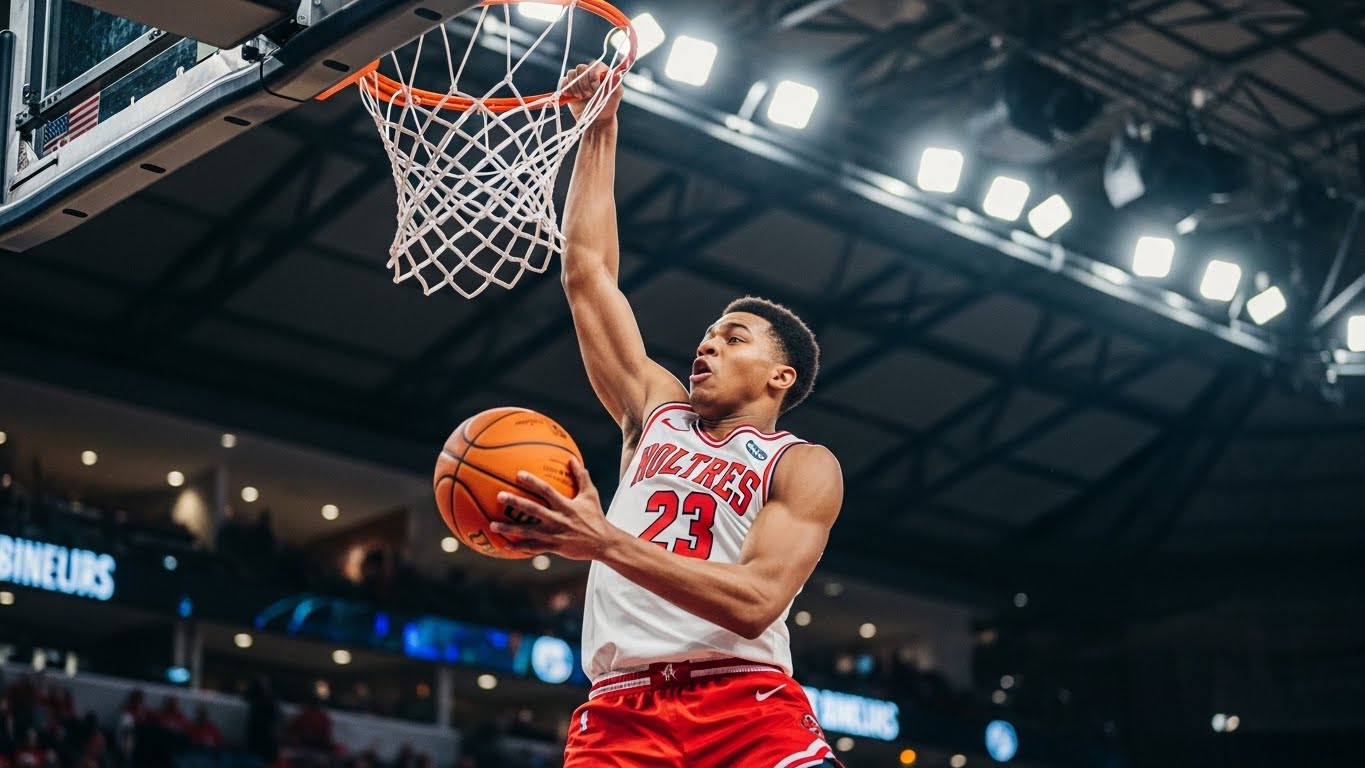

Introduction: The Universal Language of Sports
From the crowded streets of Rio de Janeiro during Carnival to the quiet fields of a rural village, sports serve as a universal language that brings people together. It’s more than just a game—it’s a reflection of human spirit, culture, and identity. Whether it’s the thrill of a last-minute goal, the dedication in a marathon, or the excitement of an underdog victory, sports touch our lives in ways that are often underestimated. This blog explores how sports transcend physical activity, becoming a profound force for change, personal growth, and societal connection.
A Global Connector: Sports as a Unifier
One of the most extraordinary aspects of sports is its ability to unify people across geographical, cultural, and social boundaries. Regardless of race, religion, or background, people from all walks of life come together to celebrate a shared love for their teams or favorite athletes. Sporting events like the FIFA World Cup or the Summer Olympics bring millions of people from different countries into a single global community. It’s an experience that reminds us of our shared humanity and the importance of teamwork, both on and off the field.
Even on a local level, sports provide a platform for building connections within communities. Local sports teams often become the heartbeat of a neighborhood, rallying supporters from all walks of life to stand together. For fans, it’s not just about the victory—it’s about the bond that is formed through shared experiences. This collective spirit plays a pivotal role in forming a sense of belonging and identity.
Beyond the Physical: Mental Strength in Sports
While we often focus on the physical prowess of athletes, the mental aspect of sports is just as crucial. Every game, match, or race tests not only the body but also the mind. The pressure to perform, the strategy involved, and the mental toughness required to overcome obstacles are fundamental in competitive sports. But these elements go beyond the playing field.
In daily life, the mental fortitude developed through sports becomes essential in dealing with personal and professional challenges. For instance, an athlete who has battled through a long season of intense pressure learns how to cope with stress, failure, and uncertainty. The discipline, focus, and resilience developed through sports are qualities that extend into the workplace and personal relationships. The lessons learned in sports—pushing through pain, maintaining focus in adversity, and recovering from setbacks—serve as valuable tools in facing life’s challenges.
The Social Impact: Sports as a Catalyst for Change
Sports have an undeniable influence on society, often serving as a catalyst for social change. In times of unrest or inequality, athletes and sporting events have been pivotal in shedding light on pressing issues and pushing for progress. The most notable examples include athletes like Muhammad Ali, Jackie Robinson, and Colin Kaepernick, who used their platforms to challenge racial discrimination and stand up for human rights. These athletes weren’t just representing their teams—they were voices for justice, equality, and social change.
Moreover, sports have played an instrumental role in bridging societal divides, whether between different races, genders, or socioeconomic classes. The rise of women’s sports, for instance, has been a crucial part of the ongoing conversation around gender equality. The inclusion of female athletes in traditionally male-dominated sports has paved the way for greater recognition and opportunities for women globally. As sports evolve, so too does society’s understanding of inclusivity, fairness, and unity.
Health Benefits: More Than Just Exercise
We can’t discuss sports without acknowledging their significant health benefits. The physical activity involved in sports—whether it’s running, swimming, or playing a team sport—plays a vital role in improving cardiovascular health, strengthening muscles, and boosting overall physical fitness. But the impact of sports on health is far broader.
Studies show that regular physical activity through sports can lower the risk of chronic diseases such as diabetes, hypertension, and obesity. Beyond the physical benefits, engaging in sports has positive effects on mental health as well. Sports help reduce stress and anxiety, improve mood, and even combat depression. The release of endorphins—our body’s natural “feel-good” chemicals—during physical activity boosts mental well-being, leading to increased happiness and a better quality of life.
Additionally, sports provide a sense of routine and structure, which can contribute to overall life satisfaction. Whether it’s a weekly soccer game or a morning jog, the commitment to regular physical activity fosters discipline and improves time management skills, which ultimately translates into better overall health and well-being.
Building Character: Discipline, Leadership, and Perseverance
Sports are a breeding ground for personal development. The daily practice, the early mornings, the sacrifices—all of these are integral to an athlete’s growth. But it’s not just about physical development; it’s about building character. Through sports, individuals learn essential life skills like discipline, leadership, and perseverance.
Discipline is a cornerstone of success in any sport. From adhering to strict training schedules to making personal sacrifices for the team’s success, athletes develop the discipline needed to succeed both in sports and in life. Leadership, too, is often honed through sports. Team captains and players alike must learn how to motivate, support, and inspire others, skills that are highly valuable in the workplace and in everyday interactions.
Perseverance is another trait that sports nurture. Athletes constantly face setbacks, whether it’s losing a game, suffering an injury, or falling short of a personal best. But sports teach them the importance of bouncing back—of picking themselves up after failure and striving to be better. This perseverance builds resilience, a quality that helps athletes and non-athletes alike handle life’s challenges with grace and determination.
Conclusion: The Lasting Impact of Sports
Sports, in all their forms, have a lasting impact on individuals and society. They teach us about resilience, unity, leadership, and health, offering lessons that stretch far beyond the playing field. Whether you’re a casual observer or an elite athlete, the influence of sports is undeniable. They have the power to inspire, heal, and connect, making them an essential part of human culture. As we continue to embrace and support sports, we also embrace the timeless lessons they offer—lessons that shape us into stronger, more compassionate individuals and communities.
The next time you watch a game or lace up your sneakers for a run, remember: sports are more than just a pastime—they are a powerful force that shapes who we are and who we aspire to be.