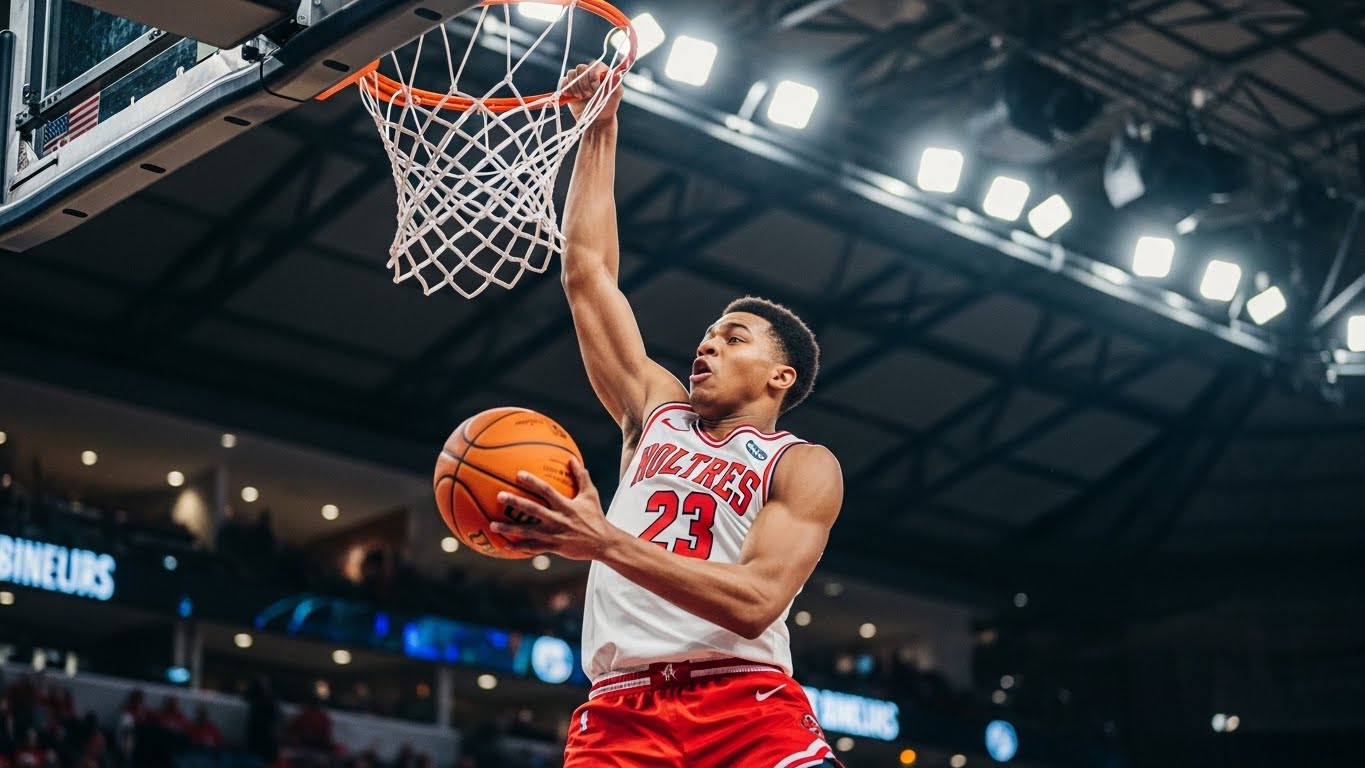

Sports are more than games. They are a reflection of culture, a celebration of human potential, and a unifying force that transcends borders. From the excitement of local competitions to the grandeur of international tournaments, sports influence societies, inspire individuals, and ignite passions across generations. Whether it’s the thrill of victory, the agony of defeat, or the camaraderie built through teamwork, sports hold a unique place in human life. In this blog, we explore the many dimensions of sports, from their history and benefits to their cultural impact and future possibilities.
The Ancient Roots of Sports
Sports have existed for thousands of years, tracing back to civilizations where physical activity was both a necessity and a form of ritual. Ancient societies valued athleticism as a sign of strength, discipline, and honor. The Greeks, for instance, established the Olympic Games as a tribute to their gods, combining competition with cultural and spiritual celebration. Athletes were revered for their skill, endurance, and strategy, and victories were a source of immense pride for their communities.
Similarly, other ancient civilizations engaged in organized sports. The Egyptians played forms of wrestling and stick fighting, while the Romans popularized gladiatorial contests that tested courage and resilience. Indigenous peoples across continents developed their own traditional games, often combining physical challenge with social and spiritual significance. These early forms of sports laid the foundation for the structured, competitive games we enjoy today.
The Evolution of Modern Sports
The 19th and 20th centuries marked a turning point for sports as societies transitioned from casual competition to organized, professional systems. Industrialization and urbanization provided more leisure time, allowing people to participate in and watch sports more regularly. This period saw the formalization of rules, the creation of clubs and leagues, and the rise of competitive tournaments in football, cricket, tennis, and many other disciplines.
International sports organizations also emerged, standardizing rules and promoting cross-border competitions. The modern Olympic Games, revived in 1896, exemplified the growing global appeal of sports, emphasizing international unity and fair competition. These developments transformed sports from local pastimes into worldwide phenomena, influencing cultures and economies alike.
Physical and Mental Benefits of Sports
Sports are not only entertaining but also vital for health. Regular participation improves cardiovascular fitness, muscular strength, flexibility, and overall physical well-being. Engaging in sports helps prevent chronic illnesses such as obesity, diabetes, and heart disease.
Equally important are the mental benefits. Sports teach discipline, resilience, focus, and problem-solving. Athletes learn to manage stress, handle pressure, and pursue goals with determination. Team sports enhance communication and collaboration, while individual sports develop self-motivation and independence. Through sports, people develop both physical prowess and emotional intelligence, creating a well-rounded foundation for personal growth.
Sports as a Cultural Phenomenon
Sports play a central role in shaping culture and identity. They bring communities together, foster social bonds, and often serve as a source of national pride. When a team wins a major tournament, the celebration extends beyond fans to entire cities and countries, creating a shared sense of achievement.
Sports also facilitate cultural exchange. International competitions expose audiences to different traditions, styles of play, and approaches to teamwork. Events like the FIFA World Cup, the Olympic Games, and global cricket tournaments unite people from diverse backgrounds, offering a platform for mutual understanding and appreciation. Athletes become ambassadors of culture, representing their nations while inspiring global audiences.
The Rise of Technology in Sports
Technology has transformed sports in multiple ways, from training methods to spectator experiences. Advanced equipment, performance analytics, and wearable devices allow athletes to optimize their training, track progress, and prevent injuries. Coaches use data-driven strategies to improve team performance, analyze opponents, and make informed decisions.
Broadcasting technology has also revolutionized how fans consume sports. High-definition cameras, multiple angles, instant replays, and virtual reality experiences bring audiences closer to the action than ever before. Social media provides a direct connection between athletes and fans, offering behind-the-scenes access and interactive experiences. Technology has not only enhanced athletic performance but also deepened fan engagement worldwide.
The Business of Sports
Sports are now a multi-billion-dollar global industry. Revenue streams include ticket sales, sponsorships, merchandise, and broadcasting rights. Professional athletes often become influential figures, leveraging their success for endorsements and entrepreneurial ventures. Major sporting events boost tourism, stimulate local economies, and attract international investment.
The commercialization of sports has created new opportunities but also challenges. Balancing profit with fair play and accessibility remains a constant concern. Despite these challenges, the economic impact of sports continues to grow, making it a vital component of contemporary society.
Women in Sports: Breaking Barriers
The history of women in sports has been one of gradual progress. For centuries, societal norms restricted women’s participation in athletic activities. Opportunities were limited, and recognition was scarce.
In recent decades, women’s sports have gained remarkable visibility and respect. Female athletes now compete at the highest levels in football, tennis, athletics, basketball, and countless other disciplines. Major tournaments and leagues have elevated their profiles, inspiring young girls worldwide. This progress demonstrates the importance of inclusivity and equality, proving that talent and determination are not bound by gender.
Sports in Education
Schools and universities use sports as a tool for personal development. Physical education programs teach fitness, health, and teamwork, while inter-school competitions encourage discipline and strategic thinking. Participation in sports promotes time management, resilience, and leadership skills.
Beyond skill development, sports in education foster a sense of belonging. Students bond over shared experiences, learn to handle both victory and defeat, and develop lifelong habits of physical activity. In this way, sports serve as both a developmental tool and a social platform.
Extreme and Adventure Sports
Adventure and extreme sports have grown increasingly popular in modern times. Activities like mountain climbing, surfing, skateboarding, snowboarding, and skydiving challenge both physical limits and mental courage. These sports emphasize risk-taking, creativity, and problem-solving while providing unique experiences that traditional sports may not offer.
Many extreme sports take place in natural settings, fostering a connection with the environment. Participants learn to respect ecosystems, navigate terrain, and adapt to changing conditions. Adventure sports celebrate human curiosity, resilience, and the pursuit of thrills.
Sports as a Social Connector
One of the most powerful aspects of sports is their ability to bring people together. Local teams, school competitions, and international tournaments unite fans and participants, creating a shared sense of purpose. Sports inspire collective celebration, emotional expression, and cultural pride.
Beyond entertainment, sports have a social impact. They are used in programs that promote education, health awareness, and youth development. Sports can empower disadvantaged communities, instill discipline, and encourage personal growth, demonstrating their broader societal significance.
Challenges Facing Modern Sports
Despite its many benefits, sports face several challenges. Commercial pressures can overshadow fairness and ethics, leading to issues such as doping, corruption, and match-fixing. Accessibility is another concern, as socioeconomic factors may prevent talented individuals from participating.
The mental health of athletes has also emerged as a critical issue. High expectations, public scrutiny, and performance pressure can lead to stress, anxiety, and burnout. Addressing these challenges requires a balanced approach that prioritizes integrity, well-being, and inclusivity.
The Future of Sports
The future of sports promises innovation, inclusivity, and global connectivity. Emerging technologies like virtual reality, artificial intelligence, and advanced analytics will continue to reshape training, performance, and fan engagement. Personalized experiences and interactive viewing options will redefine how people connect with sports.
Inclusivity will remain a central focus, ensuring opportunities for women, differently-abled athletes, and underrepresented communities. International collaborations will strengthen sports as a vehicle for cultural exchange, diplomacy, and social progress. While the platforms and technologies may change, the essence of sports—competition, passion, and human achievement—will endure.
Conclusion
Sports are more than physical activity. They are a celebration of human potential, a platform for cultural expression, and a force for social unity. From the playgrounds of childhood to the stadiums of professional leagues, sports teach discipline, resilience, teamwork, and empathy. They entertain, inspire, and connect people across boundaries.
As sports continue to evolve with technology, global engagement, and inclusive practices, their relevance in society remains as strong as ever. Sports reflect our collective spirit, drive, and creativity. They remind us that, at its core, humanity thrives on challenge, competition, and the shared joy of striving for excellence. Sports are not just games—they are a testament to the power of the human spirit.