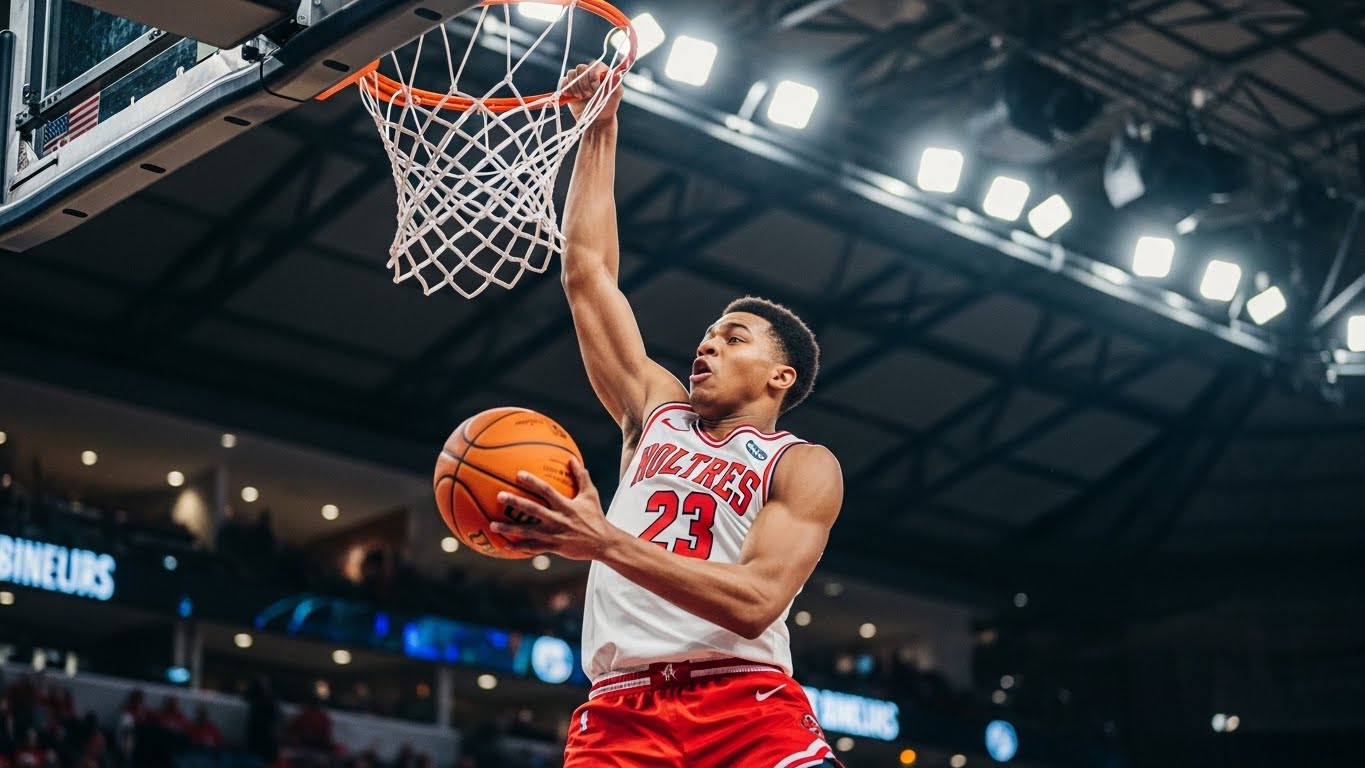

Sports have always been more than just games played on a field. They are arenas of transformation, where athletes and spectators alike experience the thrill of victory, the agony of defeat, and the sheer joy of human connection. Whether you’re watching the World Cup, participating in a local basketball league, or simply enjoying a pickup game with friends, sports have a profound impact on our physical, emotional, and social well-being. In this blog, we will explore how sports shape our lives in ways far beyond the scoreboard.
The Physical Benefits: More Than Just Fitness
One of the most obvious benefits of sports is the improvement in physical health. Engaging in physical activities like running, swimming, or playing team sports helps build strength, endurance, and coordination. These activities are also essential for maintaining a healthy weight, improving cardiovascular health, and boosting flexibility.
However, the physical benefits go deeper than just fitness. Regular participation in sports can lower the risk of chronic diseases such as heart disease, diabetes, and arthritis. It promotes the development of muscle mass, bone density, and the overall health of the skeletal system, making us more resilient as we age. But the physical advantages aren’t just about aesthetics or building muscle. They’re about the long-term health impacts that help us live longer and healthier lives.
Emotional Resilience: Handling Wins and Losses
Sports are an excellent medium for building emotional strength. The highs of winning and the lows of losing teach us essential life lessons about resilience, perseverance, and emotional regulation. A win can boost self-esteem, create a sense of accomplishment, and foster confidence. A loss, on the other hand, teaches humility, the value of hard work, and the importance of learning from mistakes.
For athletes, navigating these emotional rollercoasters is part of the game. But for fans, it is no different. Watching your team win or lose can ignite a range of emotions, from joy and pride to frustration and disappointment. The key, however, lies in how we manage these emotions. Sports help us understand that not every outcome is in our control, but how we respond to it shapes our character.
Social Connectivity: Uniting Communities Through Sports
One of the most powerful aspects of sports is their ability to bring people together. Whether it’s family members bonding over a game of soccer, friends rallying behind a local team, or countries coming together during international competitions, sports break down cultural and social barriers.
The shared experience of watching or playing a game fosters a sense of unity and belonging. Fans cheer together in stadiums, engage in friendly banter, and celebrate each other’s successes. In this way, sports provide a common language that transcends age, gender, and geography. They create communities that are based not just on competition, but on shared emotions, experiences, and goals.
The Life Lessons Sports Teach
Beyond fitness, competition, and entertainment, sports impart critical life skills that serve individuals in all areas of life. From teamwork and leadership to time management and communication, sports teach lessons that are applicable in the workplace, at home, and in personal relationships.
For example, a basketball team requires cooperation and trust. Each player has a specific role, but the success of the team depends on the ability of all players to work together and trust each other. Similarly, in life, we must collaborate with others, respect diverse perspectives, and support those around us to achieve common goals.
In addition to teamwork, sports also teach discipline. Athletes must consistently practice and improve their skills, even when the results aren’t immediately visible. This dedication and persistence are key traits that can help individuals succeed in any area of life.
Sports as a Platform for Personal Growth
For many, sports are a way to push personal limits and grow. Whether it’s running a marathon, hitting a career-high score in a sport, or learning a new skill like tennis, sports encourage individuals to stretch beyond their comfort zones.
The challenges that athletes face—both physical and mental—can reveal strengths and qualities within themselves they didn’t know existed. This journey of self-discovery is powerful, and for many, it leads to a deep sense of accomplishment and self-worth.
Conclusion: A Game for Life
Sports, at their core, offer more than just physical exertion or entertainment. They are platforms for personal development, social engagement, and emotional growth. Whether you’re an athlete striving for excellence or a fan cheering from the stands, sports enrich our lives in ways that go far beyond the game. They teach us how to handle setbacks, embrace victories with grace, and connect with others in meaningful ways.
As we continue to play, cheer, and watch, one thing remains certain—sports will always hold a special place in shaping who we are as individuals and as a community.