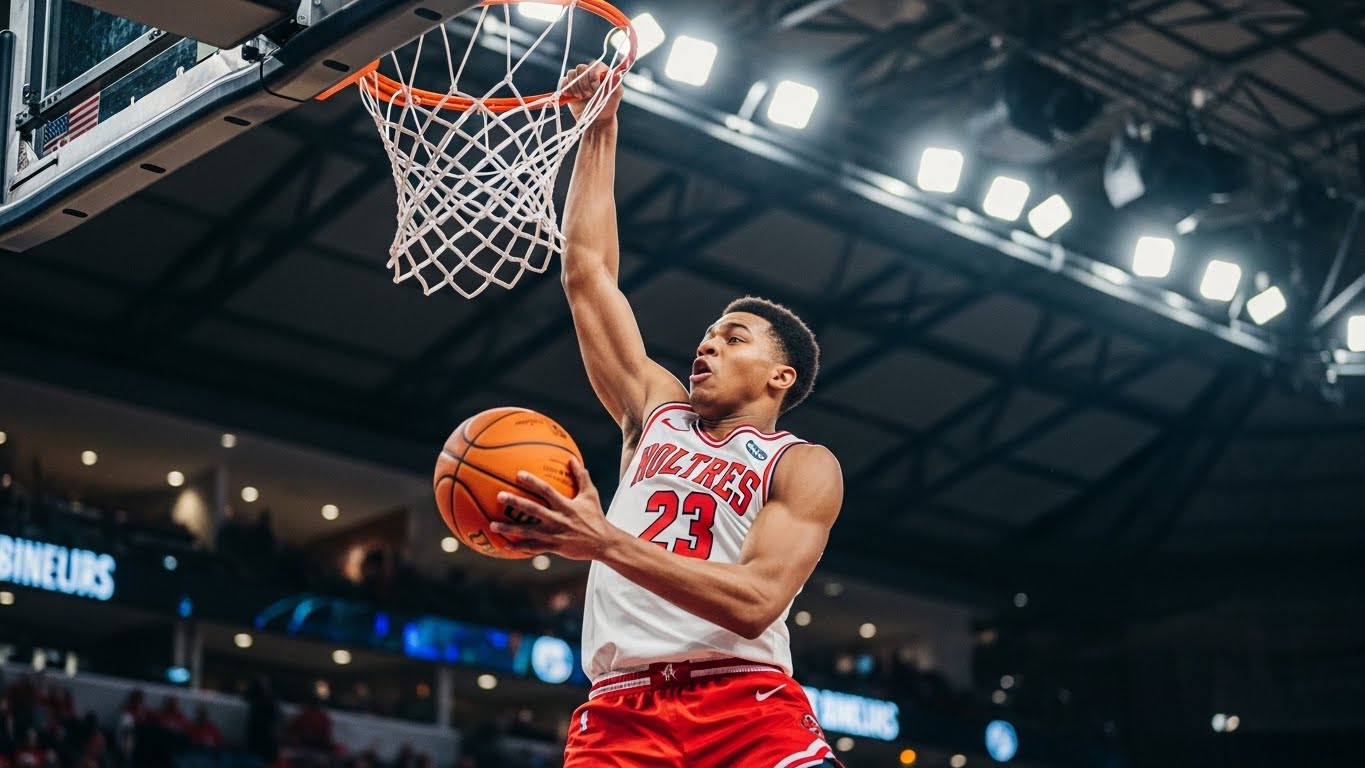
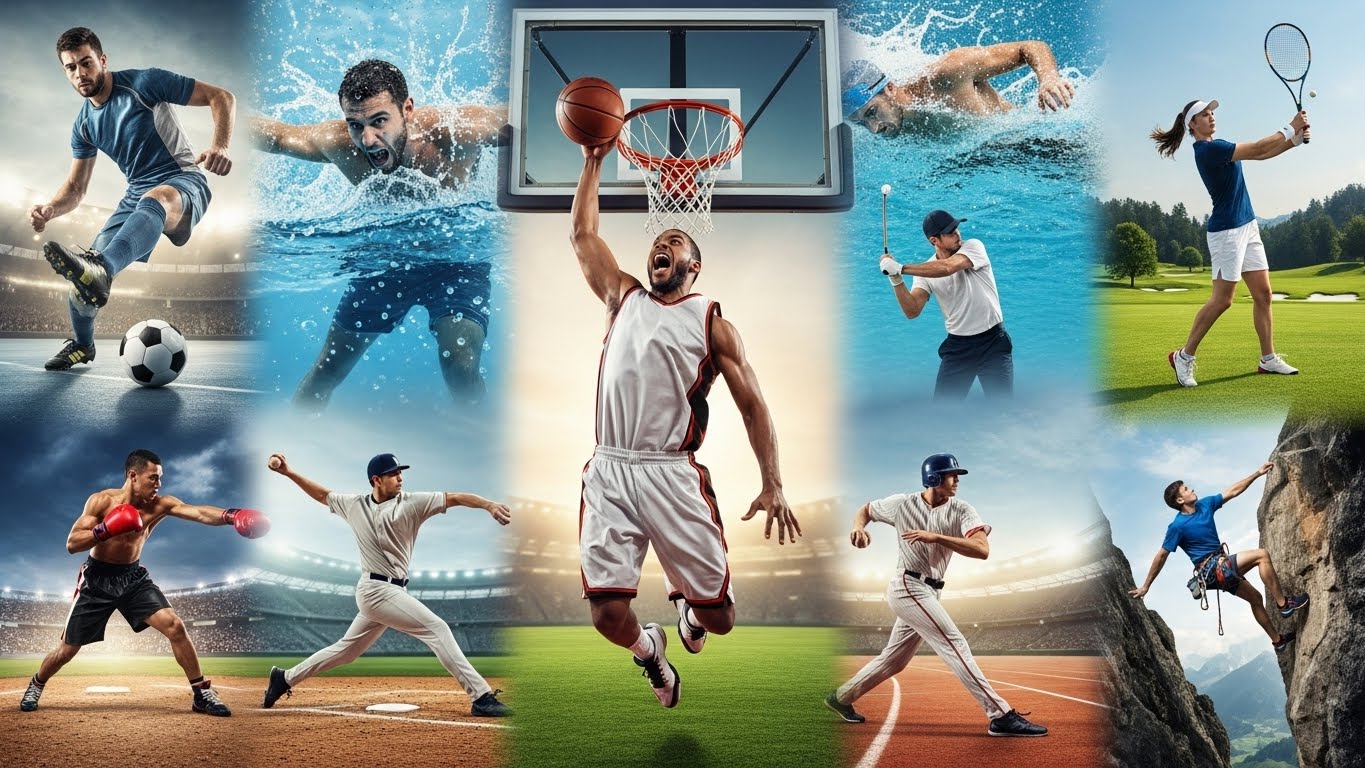
Sports have always been a cornerstone of human culture, transcending borders, ideologies, and generations. From the ancient Olympic Games to the modern-day spectacle of global championships, athletics have been at the heart of communities, families, and nations. But the impact of sports extends far beyond the confines of the playing field. It shapes our personalities, fosters community, and even influences the global economy in ways that are often overlooked. In this post, we’ll explore the profound, often unseen effects sports have on our lives, both on and off the field.
The Evolution of Sports: A Cultural Phenomenon
Sports have evolved significantly over the centuries, growing from informal games played by ancient civilizations to the global industry they represent today. In ancient Greece, the Olympic Games were a sacred ritual that celebrated human potential. These events weren’t just competitions; they were a testament to physical prowess, mental fortitude, and unity among disparate Greek city-states.
Fast forward to modern times, and sports have transformed into a highly commercialized entity, with professional leagues generating billions in revenue, television networks broadcasting events to millions of homes worldwide, and athletes becoming international celebrities. Yet, despite this commercialization, the core values of sports—competition, perseverance, and unity—remain unchanged.
Sports as a Vehicle for Personal Development
One of the most significant benefits of participating in sports is personal growth. Whether it’s learning discipline through early morning practice sessions or developing resilience in the face of failure, the lessons gained through sports are invaluable.
1. Building Discipline and Time Management
At its core, sports require a level of discipline that extends beyond mere participation. Athletes must balance training with their personal lives, whether it’s school, work, or social activities. This constant juggling of responsibilities helps athletes develop exceptional time management skills, teaching them how to prioritize tasks, manage stress, and remain focused on long-term goals. These skills often translate well into other aspects of life, helping athletes succeed in their careers, relationships, and personal endeavors.
2. Overcoming Adversity
Adversity is an intrinsic part of sports. Athletes regularly face setbacks such as injuries, losses, or personal challenges. The ability to bounce back from these setbacks, learn from mistakes, and keep pushing forward is a skill that not only helps on the field but also in life. Resilience—the ability to recover quickly from difficulties—is one of the most powerful traits an athlete can develop, and it’s something that can make a person more adaptable to the ever-changing challenges they face in the real world.
3. Confidence and Self-Esteem
Accomplishments in sports, no matter how small, boost an individual’s sense of self-worth. The feeling of crossing the finish line first or executing a perfect play creates a sense of achievement. This sense of accomplishment can spill over into other areas of life, fostering increased confidence and self-esteem. Athletes who have mastered the skills required for success in sports often carry that confidence into their personal and professional lives, tackling challenges with a positive attitude and self-belief.
Team Sports: The Power of Collaboration
While individual sports like tennis or track and field offer personal achievements, team sports such as soccer, basketball, and rugby are where the magic of collaboration comes to life. These sports are a microcosm of the world around us—where cooperation, communication, and mutual support can lead to shared success.
1. Learning to Work Together
Team sports teach valuable lessons about the importance of teamwork and collective effort. Athletes learn that success is not achieved by one person alone; it is the result of many people working together toward a common goal. This lesson is invaluable in all aspects of life, as the ability to collaborate effectively with others is crucial in workplaces, communities, and families.
2. Building Leadership Skills
In a team, leadership is essential. Whether it’s the captain of the team or simply an individual stepping up when the situation demands it, sports provide opportunities to develop leadership qualities. These include decision-making under pressure, motivating others, and leading by example. Many of the world’s top leaders in business, politics, and society have honed their leadership skills through sports, where the ability to inspire and guide others is constantly tested.
3. Enhancing Communication
Effective communication is the backbone of any successful team. Sports teach individuals how to convey information quickly and clearly, whether it’s a quick pass in soccer or a verbal cue in basketball. Athletes learn to understand each other’s non-verbal cues and adapt their communication style to fit the situation. These skills are transferable to virtually every facet of life, helping individuals become better communicators in their careers and relationships.
The Social Impact of Sports
Beyond individual growth and teamwork, sports have a significant impact on the broader community. From local youth leagues to global tournaments, sports bring people together, fostering a sense of shared identity and community.
1. Breaking Down Social Barriers
Sports often transcend social, economic, and cultural divides. Whether it’s a schoolyard soccer match or a major international competition, sports provide a level playing field where people from different backgrounds can come together, share common experiences, and learn to appreciate each other’s differences. In this way, sports can break down the barriers that divide us, fostering social cohesion and mutual understanding.
2. Promoting Health and Well-being
The physical benefits of sports are well-known. Regular participation in sports improves cardiovascular health, builds strength, and helps with weight management. However, the mental health benefits are just as profound. Exercise stimulates the release of endorphins, which can improve mood and reduce stress. Furthermore, sports offer a structured way for individuals to socialize and engage with others, reducing feelings of loneliness and promoting a sense of belonging.
3. Enhancing Community Identity
On a local level, sports can help build community identity. A local team or sports league can become a symbol of pride for residents, bringing people together during games and events. The sense of belonging to a community team can foster a collective spirit, where individuals feel they are part of something larger than themselves. This sense of unity can help reduce social isolation and encourage collective action in other areas of community life.
The Global Impact: Sports as a Multibillion-Dollar Industry
While the social and personal benefits of sports are significant, the economic impact is equally profound. The global sports industry is worth billions of dollars, with money flowing from broadcasting rights, ticket sales, merchandise, sponsorships, and more.
1. Job Creation
The sports industry is a massive source of employment, both directly and indirectly. From athletes and coaches to marketers, media professionals, and event organizers, the number of jobs created by sports is staggering. Moreover, the success of sporting events often stimulates local economies by attracting tourists, increasing demand for hospitality services, and providing opportunities for local businesses to flourish.
2. Globalization of Sports
The rise of international sports leagues and events has helped make sports a global phenomenon. Football (soccer), for example, is followed by millions worldwide, from Europe to Asia to Africa. The FIFA World Cup, the Olympics, and other global tournaments unite people from different countries, allowing for the exchange of cultures and ideas. These events have become powerful tools for diplomacy, peace-building, and international cooperation.
3. Sponsorships and Advertising
Corporate sponsorships have become a central part of the sports industry. Major brands invest in sporting events, teams, and athletes, seeing it as a lucrative opportunity to promote their products to a massive, engaged audience. This symbiotic relationship has resulted in sponsorships worth billions of dollars, giving companies unparalleled access to global markets.
Conclusion: More Than Just a Game
Sports are often viewed as mere entertainment or a form of physical recreation, but their value extends far beyond these superficial roles. From building personal character to fostering community cohesion and driving economic growth, sports have a far-reaching impact that shapes individuals, societies, and even the global economy. Whether you’re an athlete or a spectator, participating in sports—whether on the field or as a fan—offers benefits that go beyond the game itself.
In a world that can often seem divided and disconnected, sports provide a universal language that brings us together, encourages personal growth, and fosters a sense of shared purpose. The power of sports is undeniable, and its influence will continue to resonate for generations to come.