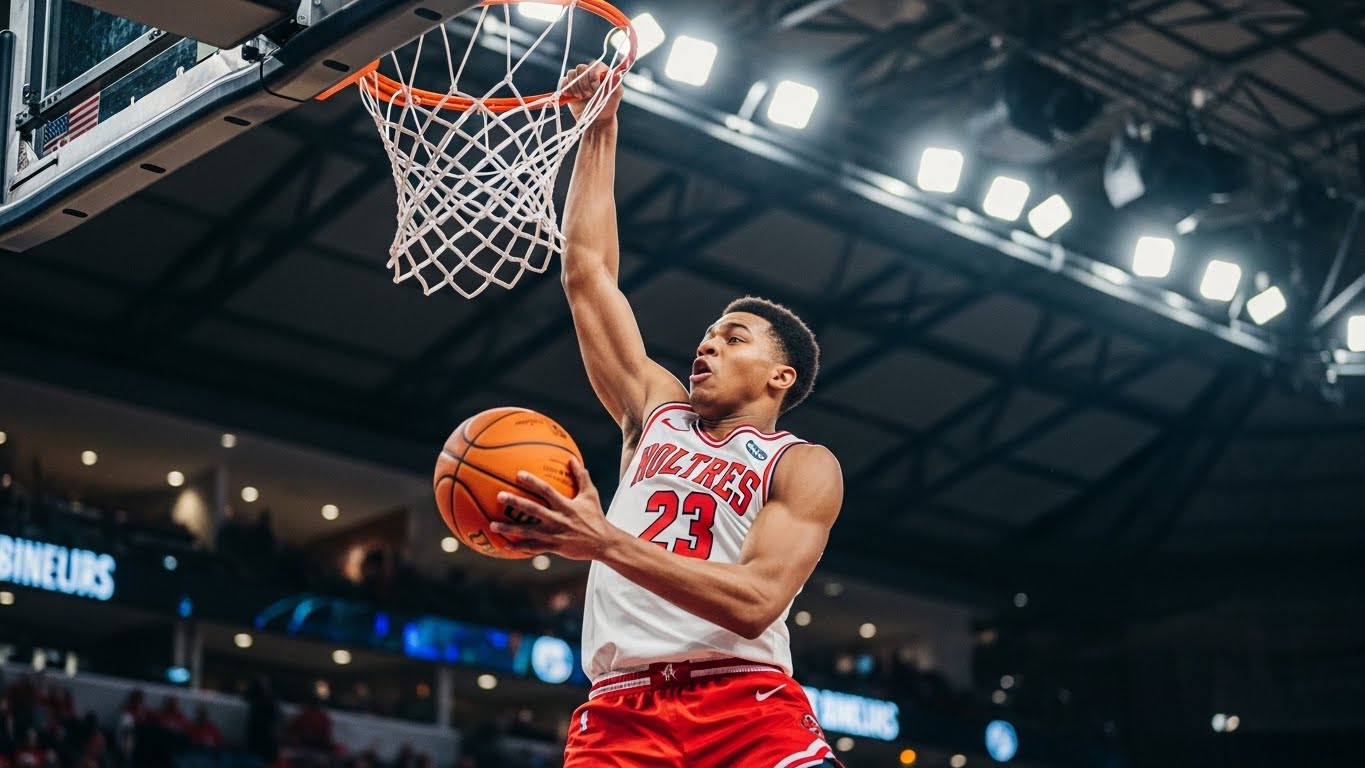

When we think about sports, what often comes to mind are the intense physical feats, the breathtaking performances, and the shining trophies. We celebrate the athletes who break records, set new standards, and inspire millions with their physical prowess. However, behind every spectacular performance lies something just as powerful, if not more so: mental strength. In this blog post, we dive into the crucial role that mental fortitude plays in shaping successful athletes and the unseen battles they fight within themselves.
The Power of the Mind in Sports
For many athletes, their mind is their greatest asset. Physical skill can only take them so far; without the ability to focus, remain resilient in the face of adversity, and maintain confidence during tough times, even the most skilled athletes can falter. Mental toughness is what helps them overcome obstacles, whether they’re battling fatigue, dealing with injuries, or facing high-pressure situations. In fact, a study by the British Journal of Sports Medicine highlighted that mental resilience could be the deciding factor between winning and losing.
Mental Toughness: A Key Ingredient for Success
Mental toughness is often defined as the ability to stay focused, positive, and determined, no matter the circumstances. It’s the invisible force that helps athletes rise to the occasion when the pressure is at its peak. This includes maintaining composure during a penalty shootout, staying calm in the final moments of a match, or pushing through physical exhaustion during a marathon.
Athletes with high mental strength tend to possess certain characteristics, including self-confidence, emotional control, and the ability to adapt under stress. They are not only able to perform under pressure but also continue to improve, learn from setbacks, and maintain a strong belief in themselves, even when things don’t go according to plan.
Overcoming Adversity: The Battle Within
Athletes often face immense pressure, not only from external expectations but from their own inner doubts. The battle between self-doubt and self-belief can be fierce. Consider athletes like Serena Williams, who has overcome countless injuries and personal challenges to remain one of the best in the world. Or Michael Jordan, whose confidence and mindset are legendary, despite not making his high school basketball team.
This internal struggle is an essential aspect of every athlete’s journey. It’s easy to overlook, but the fight to stay mentally strong during setbacks is just as important, if not more so, than the physical recovery process. Overcoming mental barriers can be just as challenging as overcoming physical ones, yet it is rarely discussed in mainstream sports media.
The Role of Coaches and Support Systems
Athletes don’t navigate their mental battles alone. Coaches, sports psychologists, and even teammates play a vital role in shaping an athlete’s mental strength. A supportive environment can help athletes develop the coping mechanisms needed to face challenges head-on. Coaches who understand the importance of mental training are now incorporating psychological strategies into their routines. Techniques like visualization, goal setting, and mindfulness exercises are becoming standard parts of training programs across sports disciplines.
Having a strong support network allows athletes to share their fears, anxieties, and frustrations, which in turn, helps them manage stress and focus on what’s essential. These trusted figures can act as a sounding board, helping athletes navigate the emotional ups and downs that come with competitive sports.
The Mind-Body Connection: Mental Conditioning as Important as Physical Training
While physical conditioning remains a cornerstone of any athletic training regimen, mental conditioning is just as crucial. Mental training prepares athletes to face high-pressure situations and ensures they remain focused and confident when it matters most.
Sports psychologists often use techniques like cognitive behavioral therapy (CBT) and neurolinguistic programming (NLP) to help athletes reframe negative thoughts, reduce anxiety, and improve concentration. In addition, visualization techniques—where athletes mentally rehearse their performance before stepping onto the field or court—have proven to enhance focus and improve results.
This mental conditioning is not just about building confidence; it’s about preparing the athlete’s mind for the unpredictable nature of competition, where every game could present new challenges. Developing a calm, confident, and resilient mindset is a skill that, like any physical movement, requires practice and repetition.
The Future of Sports: A Balance Between Body and Mind
As we continue to witness the evolution of sports, there is an increasing recognition of the importance of mental health and mental training. Professional sports organizations are now placing greater emphasis on supporting the mental well-being of their athletes, providing access to sports psychologists and mental health resources.
Moving forward, the most successful athletes will be those who can blend peak physical performance with strong mental conditioning. Sports will no longer just be a test of endurance, speed, and strength; it will also be a testament to how well an athlete can master their thoughts and emotions. The future of sports is one where the mind is as powerful as the body.
Conclusion: The Hidden Force Behind Athletic Achievement
In the end, mental strength is what separates the good from the great. It’s the invisible, unspoken force that enables athletes to push through barriers, adapt to changing circumstances, and ultimately achieve greatness. While we may celebrate their physical achievements, it is the mental battles they face and overcome that truly define their success. The next time you watch a game, remember that the greatest victories often take place within the mind, long before the athlete sets foot on the field.