Introduction: More Than Just a Game
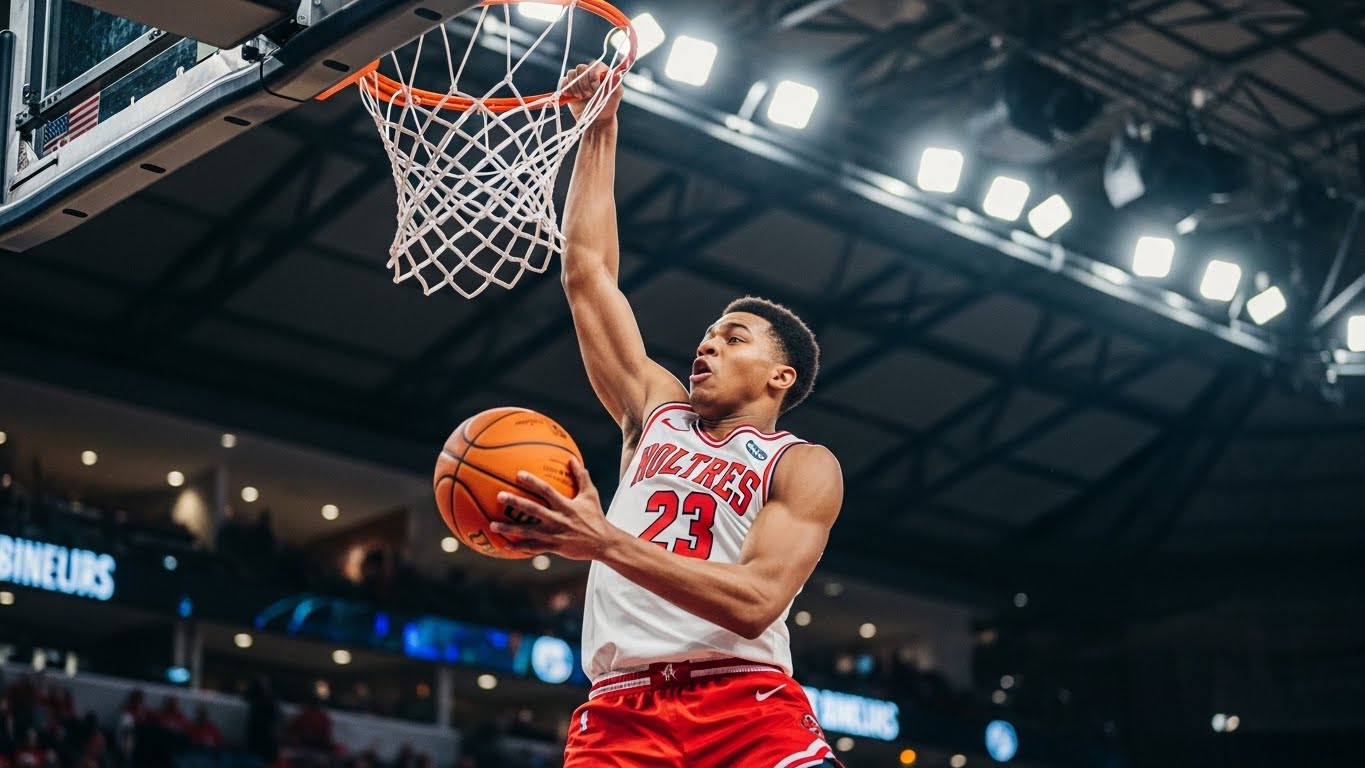
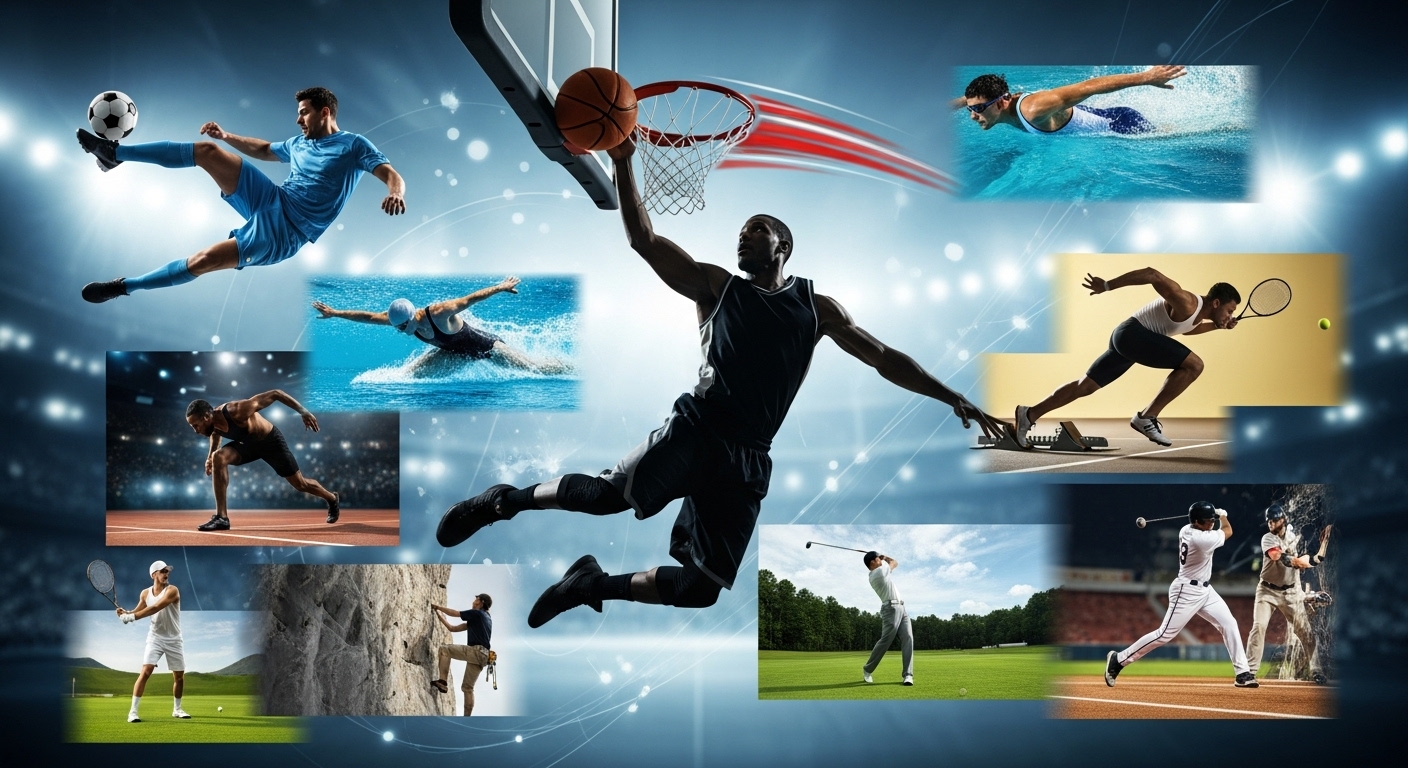
Sports are one of humanity’s oldest and most universal forms of expression. They are more than a form of entertainment; they are a powerful tool that shapes individuals, communities, and cultures. From local school tournaments to global championships, sports ignite passion, teach values, and inspire people across the world. They provide lessons in discipline, resilience, and teamwork that extend far beyond the playing field. This blog explores how sports influence physical and mental health, social cohesion, culture, economy, and the future of human achievement.
The Origins of Sports and Human Competition
Competition has been a part of human society for thousands of years. Ancient civilizations, including the Greeks, Romans, and Egyptians, organized athletic contests that were as much about cultural expression as they were about physical ability. These early sports taught courage, discipline, and honor, values that remain central to modern sports.
As human societies evolved, sports developed into organized competitions with rules, professional athletes, and dedicated venues. Despite technological advancements and modern lifestyles, the core purpose of sports has remained constant: the pursuit of excellence. Competitions, whether individual or team-based, provide a narrative of struggle, determination, and achievement that resonates universally.
Physical Health Benefits of Sports
One of the most obvious advantages of sports is the improvement of physical health. Participating in sports strengthens the heart, muscles, and bones while enhancing flexibility and endurance. Activities like football, swimming, basketball, and running challenge the body, improve cardiovascular fitness, and reduce the risk of chronic diseases.
Beyond structured exercise, sports encourage consistent physical activity because they are enjoyable. Children who play sports develop healthy habits early, while adults can maintain fitness without the monotony of repetitive workouts. Sports also play a vital role in combating obesity, sedentary lifestyles, and other modern health issues. The combination of enjoyment and physical exertion makes sports a sustainable path to overall well-being.
Mental Strength and Emotional Resilience
Sports are not only a test of physical ability but also of mental fortitude. Athletes face challenges, setbacks, and high-pressure situations, learning valuable lessons in resilience and problem-solving. Losing a match teaches humility, while winning fosters confidence and self-assurance. These experiences are transferable to life beyond sports, shaping individuals who can handle stress, adversity, and competition effectively.
Team sports also cultivate social skills, leadership, and cooperation. Players learn to communicate, support teammates, and work toward shared goals. Individual sports, on the other hand, build independence, focus, and self-motivation. Both types contribute to emotional intelligence and help individuals manage their emotions in healthy ways.
Sports and Social Connection
Sports are a powerful tool for building community and identity. They bring people together, fostering shared experiences that transcend age, culture, and background. Neighborhood teams, school leagues, and local clubs create bonds between participants and fans alike.
On a larger scale, national and international sports competitions unite entire nations. Major tournaments like the Olympics or world championships evoke pride, solidarity, and collective celebration. In many societies, sports form part of cultural identity, with certain games carrying historical and emotional significance. Through sports, people experience connection, belonging, and a sense of purpose.
Economic Impact of Sports
Sports also have significant economic implications. They create jobs for athletes, coaches, event organizers, and support staff. Large events boost local economies through tourism, hospitality, and merchandise sales. Stadiums and sports facilities generate employment and provide long-term benefits for communities.
Athletes themselves often become influential figures, attracting sponsorships, endorsements, and media attention. The sports industry is an economic powerhouse, fueled by the loyalty and enthusiasm of fans. The combination of passion, entertainment, and commerce makes sports a unique economic engine with far-reaching effects.
Technology and Innovation in Modern Sports
Technology is reshaping how sports are played, coached, and viewed. Advanced data analytics help athletes track performance and optimize training, while wearable devices monitor health and stamina. Video replay systems, virtual simulations, and AI-assisted analysis enhance strategy, fairness, and performance assessment.
Technology also transforms fan engagement. Spectators can access real-time statistics, watch games from multiple angles, and interact with players or other fans globally. Virtual sports and esports further expand the definition of competition. The integration of technology ensures that sports remain dynamic, innovative, and accessible to broader audiences.
Sports as a Teacher of Values
One of the most important contributions of sports is the moral and ethical lessons they impart. Discipline, integrity, teamwork, perseverance, and respect are core values cultivated through sports. These lessons influence personal and social behavior, encouraging individuals to act ethically and responsibly.
Sports also teach the importance of fairness and empathy. Athletes learn to respect opponents, accept referees’ decisions, and appreciate collective effort. These experiences foster maturity, character, and social harmony. In this way, sports are more than entertainment—they are an educational tool for life.
Women in Sports: Progress and Empowerment
The rise of women in sports has transformed the landscape of athletics. Female athletes are achieving unprecedented recognition, breaking records, and inspiring millions. Women’s leagues and competitions are gaining prominence, highlighting talent and determination previously overlooked.
The increasing participation of women in sports challenges gender stereotypes and promotes equality. It empowers girls and young women to pursue their dreams, whether in professional sports or leadership roles. This shift has social implications far beyond athletics, influencing education, workforce participation, and cultural norms.
Sports as a Medium for Peace and Diplomacy
Sports have long been a bridge for diplomacy and cultural exchange. Matches between rival nations can ease political tensions, foster understanding, and promote unity. Athletes often become ambassadors of goodwill, demonstrating respect and collaboration regardless of nationality or ideology.
Major sporting events create a global stage for dialogue and cooperation. Through competition, nations find common ground, celebrate achievements, and appreciate diverse cultures. Sports illustrate how human connection and shared passion can transcend conflicts and promote peace.
The Future of Sports
The future of sports promises innovation, inclusivity, and transformation. New hybrid sports, digital competitions, and virtual training platforms are emerging. Traditional sports continue to evolve with enhanced safety measures, sustainable practices, and global accessibility.
Esports, combining physical skill, strategy, and technology, are gaining mainstream recognition. Meanwhile, traditional games continue to attract millions of fans worldwide. Participation in youth sports is increasing, and social awareness is reshaping how sports are organized, making them more equitable and community-driven.
Sports will continue to inspire generations, promote healthy lifestyles, and unite communities. As technology, culture, and society evolve, sports remain a constant reminder of human potential and achievement.
Conclusion: The Enduring Power of Sports
Sports are far more than games played on fields or courts. They are a reflection of human spirit, ambition, and creativity. They shape individuals physically, mentally, and socially, creating communities and uniting nations. Sports drive economic growth, promote equality, and teach life lessons that extend far beyond competition.
The essence of sports lies in the pursuit of excellence, the thrill of challenge, and the joy of connection. They inspire, empower, and transform lives in ways few other activities can. As long as people seek growth, camaraderie, and achievement, sports will remain a vital and enduring part of human culture.